Categories
Posture Correction Physiotherapy Services in Nairobi

Posture Correction Physiotherapy Services in Nairobi

Posture Correction Physiotherapy Services in Nairobi

Posture Correction Physiotherapy Services in Nairobi: Improve Your Posture, Relieve Pain, and Restore Movement

Poor posture has become increasingly common in today’s digital world. Whether you spend long hours working at a desk, driving, studying, or using a smartphone, your posture directly impacts your overall health, comfort, and quality of life. Slouching, rounded shoulders, forward head posture, and spinal misalignment can gradually lead to chronic neck pain, back pain, headaches, reduced mobility, muscle fatigue, and decreased confidence.

At Trigger Point Fascia, we provide professional posture correction physiotherapy services in Nairobi designed to identify the root causes of poor posture and develop personalized treatment plans that restore proper alignment, reduce pain, and improve long-term movement patterns. Our evidence-based physiotherapy approach combines manual therapy, corrective exercises, movement retraining, and patient education to help you achieve lasting results.

Posture correction physiotherapy is a specialized branch of physiotherapy that focuses on improving body alignment during standing, sitting, walking, lifting, and other daily activities.

Rather than simply treating pain, posture correction addresses the underlying muscular imbalances, joint restrictions, and movement dysfunctions that contribute to poor posture.

A qualified physiotherapist performs a comprehensive assessment of your:

  • Head position
  • Neck alignment
  • Shoulder posture
  • Spine curvature
  • Pelvic alignment
  • Hip mobility
  • Knee positioning
  • Foot mechanics
  • Muscle strength
  • Core stability
  • Flexibility
  • Walking pattern (gait)

Based on these findings, an individualized treatment plan is developed to restore optimal posture and movement.


Common Signs You May Need Posture Correction

Many people don’t realize that poor posture develops gradually over time.

You may benefit from posture correction physiotherapy if you experience:

  • Persistent neck pain
  • Upper back stiffness
  • Lower back pain
  • Rounded shoulders
  • Forward head posture
  • Frequent headaches
  • Shoulder tension
  • Muscle fatigue
  • Poor balance
  • Difficulty standing for long periods
  • Hip discomfort
  • Uneven shoulders
  • Reduced flexibility
  • Tingling in the arms
  • Recurrent muscle tightness

Even if you are not currently experiencing pain, correcting posture early can prevent future musculoskeletal problems.


Common Causes of Poor Posture

Several lifestyle and medical factors contribute to postural problems.

These include:

Prolonged Sitting

Office workers who spend several hours at a computer often develop rounded shoulders and forward head posture.

Smartphone Use

Looking down at mobile devices for extended periods places excessive stress on the neck muscles.

Weak Core Muscles

Poor abdominal and back muscle strength reduces spinal support.

Muscle Imbalances

Tight chest muscles combined with weak upper back muscles commonly contribute to poor posture.

Previous Injuries

Old injuries affecting the spine, pelvis, hips, knees, or ankles can alter normal body alignment.

Sedentary Lifestyle

Lack of physical activity reduces muscle endurance and flexibility.

Poor Workplace Ergonomics

Incorrect desk height, chair positioning, or monitor placement encourages unhealthy posture habits.


Conditions That Benefit from Posture Correction Physiotherapy

Our physiotherapy programs can help manage a wide range of musculoskeletal conditions, including:

  • Mechanical neck pain
  • Chronic back pain
  • Upper crossed syndrome
  • Lower crossed syndrome
  • Forward head posture
  • Rounded shoulders
  • Thoracic kyphosis
  • Lumbar postural dysfunction
  • Scoliosis (selected cases)
  • Muscle imbalance
  • Sciatica related to poor posture
  • Shoulder impingement
  • Tension headaches
  • Workplace-related musculoskeletal disorders
  • Sports posture abnormalities

Our Comprehensive Posture Assessment

Every treatment begins with a detailed physiotherapy assessment.

This may include:

Medical History Review

We discuss your symptoms, daily activities, occupation, exercise habits, previous injuries, and treatment history.

Postural Analysis

Your physiotherapist carefully evaluates body alignment from multiple angles while standing and sitting.

Movement Assessment

We assess how your body moves during bending, lifting, reaching, squatting, and walking.

Muscle Strength Testing

Weak muscle groups are identified to guide corrective exercise prescription.

Flexibility Assessment

Tight muscles restricting normal posture are evaluated.

Joint Mobility Examination

Restricted joints affecting posture are identified and treated.


Our Posture Correction Treatment Approach

At Trigger Point Fascia, we use a holistic treatment approach that addresses both symptoms and underlying causes.

Manual Therapy

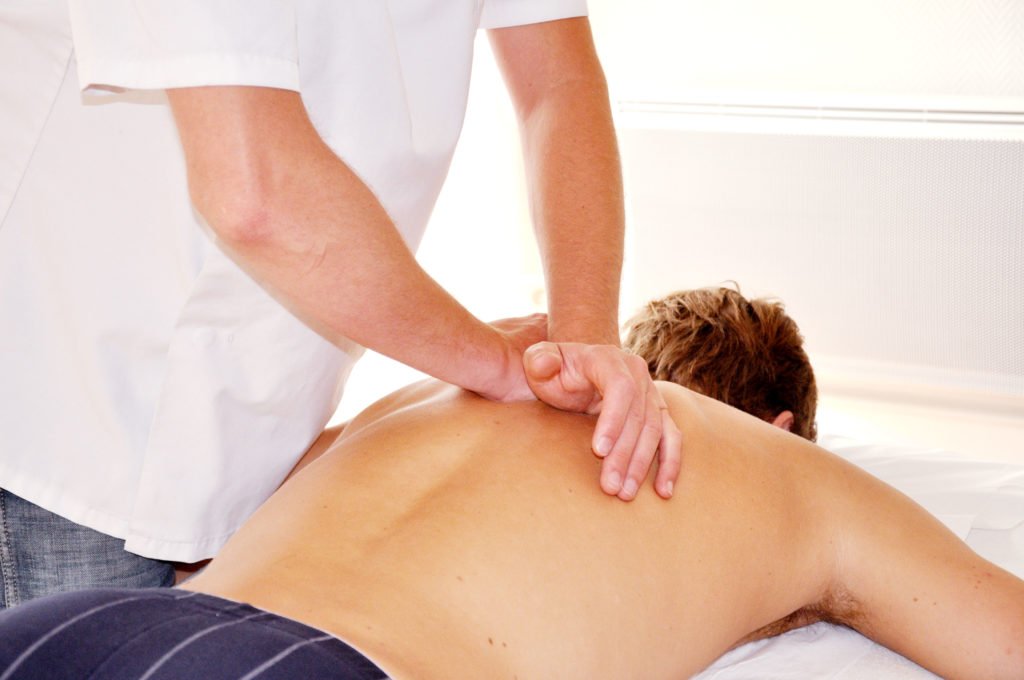
Hands-on physiotherapy techniques help improve joint mobility, reduce muscle tension, and restore normal movement.

Treatment may include:

  • Joint mobilization
  • Soft tissue therapy
  • Trigger point therapy
  • Myofascial release
  • Muscle stretching

Corrective Exercise Programs

Specific exercises are prescribed to strengthen weak muscles while stretching tight structures.

Programs may include:

  • Core strengthening
  • Scapular stabilization
  • Neck strengthening
  • Hip strengthening
  • Glute activation
  • Postural endurance exercises
  • Functional movement training

Postural Retraining

Patients learn proper body mechanics during everyday activities such as:

  • Sitting
  • Standing
  • Walking
  • Lifting
  • Driving
  • Computer work
  • Sleeping

Developing these healthy habits is essential for long-term improvement.


Ergonomic Advice

We assess your work environment and recommend adjustments that support better posture.

Recommendations may include:

  • Chair positioning
  • Desk height
  • Monitor placement
  • Keyboard alignment
  • Standing desk use
  • Safe lifting techniques

Movement Education

Understanding how posture affects pain empowers patients to prevent future problems.

Education includes:

  • Daily posture awareness
  • Stretching routines
  • Workplace exercises
  • Home exercise programs
  • Activity modification

Benefits of Professional Posture Correction

With consistent physiotherapy treatment, many patients experience:

  • Reduced neck pain
  • Reduced back pain
  • Improved spinal alignment
  • Better flexibility
  • Increased mobility
  • Improved balance
  • Enhanced athletic performance
  • Better breathing mechanics
  • Increased energy levels
  • Reduced headaches
  • Improved confidence
  • Better workplace comfort
  • Lower injury risk
  • Improved quality of life

Who Can Benefit?

Our posture correction services are suitable for:

Office Workers

Reduce pain caused by prolonged computer use.

Students

Correct posture developed from studying and device use.

Drivers

Improve spinal health after long hours behind the wheel.

Healthcare Professionals

Reduce physical strain associated with demanding work environments.

Athletes

Optimize movement efficiency and sports performance.

Seniors

Improve balance, mobility, and independence.

Teenagers

Address developing postural issues early before they become chronic.


Why Early Posture Correction Matters

Ignoring poor posture may eventually contribute to:

  • Chronic neck pain
  • Disc problems
  • Persistent back pain
  • Joint degeneration
  • Reduced mobility
  • Muscle weakness
  • Nerve compression
  • Poor athletic performance
  • Frequent headaches

Early physiotherapy intervention helps prevent these complications while promoting lifelong spinal health.


Why Choose Trigger Point Fascia?

Patients across Nairobi trust Trigger Point Fascia because we provide:

  • Comprehensive physiotherapy assessments
  • Personalized treatment plans
  • Evidence-based rehabilitation
  • Experienced physiotherapists
  • Hands-on manual therapy
  • Modern rehabilitation techniques
  • Patient-centered care
  • Convenient Parklands location
  • Comfortable treatment environment
  • Ongoing education and support

Our goal is not only to relieve pain but also to correct the underlying movement dysfunctions that contribute to poor posture, helping you move confidently and comfortably every day.


Frequently Asked Questions

How long does posture correction take?

The duration varies depending on the severity of your posture issues, lifestyle habits, and consistency with your prescribed exercise program. Many patients begin noticing improvements within a few weeks, while long-standing postural problems may require several months of guided rehabilitation.

Is posture correction painful?

Treatment is generally comfortable. Some manual therapy techniques or strengthening exercises may cause mild temporary soreness as your body adapts, but your physiotherapist will tailor treatment to your comfort level.

Can adults improve their posture?

Yes. Adults of all ages can significantly improve their posture through targeted physiotherapy, strengthening exercises, flexibility training, and consistent movement education.

Do I need a doctor’s referral?

In most cases, you can book directly for a physiotherapy assessment without a referral. If your condition requires further medical evaluation, we will guide you accordingly.

Will I receive exercises to do at home?

Absolutely. A personalized home exercise program is an important part of successful posture correction and helps reinforce the improvements achieved during your clinic sessions.


Book Your Posture Assessment Today

Good posture is about more than appearance—it is the foundation of healthy movement, reduced pain, and long-term wellbeing. If you are experiencing neck pain, back discomfort, muscle tension, or simply want to improve your posture and prevent future problems, our experienced physiotherapists are here to help.

At Trigger Point Fascia, we are committed to helping you move better, feel stronger, and live pain-free through personalized posture correction physiotherapy services tailored to your unique needs.

Contact Us

Trigger Point Fascia

Address:
Doctors Park, 5th Floor, 3rd Avenue, Parklands, Nairobi

Phone:
+254 726 414 516

WhatsApp:
WhatsApp Us

Email:
booking@triggerpointfascia.co.ke

Schedule your posture assessment today and take the first step toward better posture, improved mobility, and a healthier, more active life.

Posture Correction Physiotherapy Services in Nairobi | Postural Alignment Therapy in Kenya

Improve Your Posture, Relieve Pain, and Restore Healthy Movement with Expert Physiotherapy

Poor posture is one of the leading causes of neck pain, back pain, shoulder tension, headaches, and reduced mobility. Whether you spend long hours working at a desk, driving, studying, or using digital devices, poor postural habits can gradually affect your spine, muscles, joints, and overall quality of life.

At Trigger Point Fascia, we offer Posture Correction Physiotherapy Services in Nairobi and Postural Alignment Therapy in Kenya to help individuals restore proper body alignment, improve movement, relieve chronic pain, and prevent future musculoskeletal problems. Our evidence-based physiotherapy programs combine comprehensive posture assessment, manual therapy, myofascial techniques, corrective exercises, ergonomic education, and personalized rehabilitation plans to deliver long-lasting results.

Whether you’re experiencing neck stiffness, lower back pain, rounded shoulders, poor sitting posture, or postural fatigue, our experienced physiotherapists develop customized treatment programs tailored to your lifestyle and health goals.


What Is Posture Correction Physiotherapy?

Posture correction physiotherapy is a specialized rehabilitation service that evaluates and improves the way your body aligns during sitting, standing, walking, working, exercising, and other daily activities.

Instead of only treating pain, physiotherapy identifies the underlying causes of poor posture such as muscle weakness, tight fascia, joint stiffness, movement dysfunction, spinal imbalance, and poor ergonomic habits.

Our comprehensive assessment evaluates:

  • Head and neck alignment
  • Cervical spine posture
  • Shoulder positioning
  • Thoracic spine mobility
  • Lumbar spine alignment
  • Pelvic position
  • Hip stability
  • Knee and ankle alignment
  • Foot biomechanics
  • Muscle strength
  • Core stability
  • Flexibility
  • Balance
  • Walking pattern (gait analysis)
  • Functional movement patterns

The findings are used to create a personalized posture correction program that restores optimal movement and reduces pain.


What Is Postural Alignment Therapy?

Postural alignment therapy focuses on restoring the body’s natural alignment by correcting muscular imbalances, improving spinal mechanics, enhancing joint mobility, and retraining healthy movement patterns.

Proper postural alignment helps:

  • Reduce spinal stress
  • Improve balance
  • Enhance flexibility
  • Improve breathing mechanics
  • Reduce muscle fatigue
  • Increase core stability
  • Improve athletic performance
  • Prevent repetitive strain injuries
  • Support healthy ageing
  • Improve workplace comfort

At Trigger Point Fascia, postural alignment therapy is integrated into our physiotherapy programs to ensure long-term improvements rather than temporary pain relief.


Signs You May Need Posture Correction Physiotherapy

Many people develop postural problems gradually without noticing until pain becomes persistent.

You may benefit from professional posture correction if you experience:

  • Chronic neck pain
  • Upper back pain
  • Lower back pain
  • Rounded shoulders
  • Forward head posture (“tech neck”)
  • Poor sitting posture
  • Uneven shoulders
  • Muscle tightness
  • Frequent headaches
  • Shoulder pain
  • Hip pain
  • Pelvic imbalance
  • Poor balance
  • Muscle fatigue
  • Tingling or numbness in the arms
  • Difficulty standing for long periods
  • Reduced flexibility
  • Stiff joints
  • Poor walking posture

Even if you are not currently experiencing pain, correcting posture early can help prevent long-term musculoskeletal conditions.


Common Causes of Poor Posture

Poor posture can result from several lifestyle, occupational, and medical factors.

These include:

Prolonged Computer Work

Extended hours at a desk often lead to forward head posture, rounded shoulders, and spinal strain.

Smartphone and Tablet Use

Constantly looking down at electronic devices places excessive stress on the neck and upper back.

Sedentary Lifestyle

Insufficient physical activity weakens the muscles that support healthy posture.

Weak Core Muscles

Poor abdominal and spinal muscle strength reduces stability and increases the risk of postural dysfunction.

Muscle Imbalances

Tight chest muscles combined with weak upper back muscles commonly contribute to poor alignment.

Previous Injuries

Old injuries affecting the spine, hips, knees, ankles, or shoulders can alter movement patterns and posture.

Poor Workplace Ergonomics

Improper desk setup, monitor height, chair support, and workstation positioning encourage unhealthy posture.


Conditions We Treat

Our posture correction physiotherapy services can help individuals living with:

  • Mechanical neck pain
  • Chronic lower back pain
  • Mid-back pain
  • Forward head posture
  • Rounded shoulders
  • Upper Crossed Syndrome
  • Lower Crossed Syndrome
  • Postural dysfunction
  • Muscle imbalance
  • Thoracic kyphosis
  • Mild scoliosis (where appropriate)
  • Sciatica related to posture
  • Shoulder impingement
  • Cervicogenic headaches
  • Tension headaches
  • Workplace-related musculoskeletal disorders
  • Sports-related postural dysfunction
  • Repetitive strain injuries (RSI)

Our Comprehensive Posture Assessment

Every patient undergoes a thorough physiotherapy assessment before treatment begins.

Medical History

We review your symptoms, occupation, lifestyle, exercise habits, previous injuries, surgeries, and treatment history.

Digital Postural Analysis

We assess your body alignment from multiple angles while sitting, standing, and moving.

Functional Movement Screening

Movement quality is evaluated during bending, lifting, squatting, reaching, walking, and everyday functional tasks.

Muscle Strength Testing

Weak muscle groups affecting posture are identified.

Flexibility Assessment

We assess shortened muscles that contribute to poor posture and restricted movement.

Joint Mobility Examination

Restricted spinal and peripheral joints are evaluated to improve movement and function.

Ergonomic Assessment

Where necessary, we provide recommendations for improving your workstation, office chair, desk setup, and work habits.


Our Evidence-Based Treatment Approach

Our physiotherapists combine several advanced techniques to address both symptoms and their underlying causes.

Manual Therapy

Hands-on physiotherapy techniques improve mobility, reduce muscle tension, and restore normal joint movement.

Treatment may include:

  • Joint mobilization
  • Soft tissue mobilization
  • Trigger point therapy
  • Myofascial release
  • Stretching techniques
  • Fascia release therapy

Corrective Exercise Therapy

Every patient receives a customized rehabilitation program that may include:

  • Core strengthening
  • Postural strengthening exercises
  • Scapular stabilization
  • Neck strengthening
  • Hip strengthening
  • Glute activation
  • Balance training
  • Functional movement exercises
  • Flexibility training

Movement Retraining

We teach healthier movement strategies during:

  • Sitting
  • Standing
  • Walking
  • Lifting
  • Driving
  • Computer work
  • Sleeping
  • Exercise

These techniques help prevent pain from returning.


Ergonomic Education

Proper workplace ergonomics significantly reduces strain on the neck and spine.

We provide practical guidance on:

  • Office workstation setup
  • Computer monitor positioning
  • Sitting posture
  • Standing desk use
  • Keyboard and mouse positioning
  • Safe lifting techniques
  • Home office ergonomics

Patient Education

Education plays a key role in long-term recovery.

You’ll learn:

  • Daily posture correction tips
  • Stretching routines
  • Home exercise programs
  • Spine health education
  • Workplace movement breaks
  • Injury prevention strategies

Benefits of Professional Posture Correction

Patients who complete posture rehabilitation often experience:

  • Reduced neck pain
  • Reduced back pain
  • Improved spinal alignment
  • Better posture
  • Increased flexibility
  • Enhanced mobility
  • Improved breathing
  • Better balance
  • Reduced muscle tension
  • Fewer headaches
  • Increased productivity
  • Improved sports performance
  • Better confidence
  • Reduced injury risk
  • Improved quality of life

Who Can Benefit?

Our services are ideal for:

Office Workers

Reduce pain associated with prolonged sitting and computer work.

Students

Improve posture developed through studying and extended device use.

Remote Workers

Create healthier work habits and reduce work-from-home posture problems.

Drivers

Reduce spinal strain caused by long hours of driving.

Athletes

Improve movement efficiency, flexibility, and performance.

Healthcare Professionals

Reduce occupational strain from physically demanding work.

Seniors

Improve posture, mobility, balance, and independence.

Teenagers

Correct postural habits early while supporting healthy growth and development.


Why Early Intervention Matters

Poor posture rarely improves on its own.

Without treatment, it may contribute to:

  • Chronic neck pain
  • Chronic back pain
  • Disc degeneration
  • Nerve compression
  • Reduced mobility
  • Shoulder dysfunction
  • Hip pain
  • Joint stiffness
  • Muscle weakness
  • Poor balance
  • Reduced physical performance
  • Increased risk of injury

Early physiotherapy intervention helps restore healthy movement before symptoms become more severe.


Why Choose Trigger Point Fascia?

At Trigger Point Fascia, we are committed to delivering patient-centred physiotherapy based on clinical evidence and individualized care.

Our clinic offers:

  • Comprehensive posture assessments
  • Personalized treatment plans
  • Evidence-based physiotherapy
  • Postural alignment therapy
  • Trigger point therapy
  • Myofascial release
  • Corrective exercise rehabilitation
  • Ergonomic assessments
  • Manual therapy
  • Sports injury rehabilitation
  • Experienced physiotherapists
  • Convenient Parklands location
  • Comfortable treatment environment
  • Ongoing patient education and support

Our goal is not simply to relieve pain but to restore healthy posture, improve movement quality, and help you return confidently to work, sport, and everyday life.


Frequently Asked Questions

How long does posture correction take?

Recovery depends on the severity of your condition, your daily habits, and how consistently you follow your home exercise program. Many patients notice improvements within a few weeks, while more complex cases may require longer-term rehabilitation.

Can physiotherapy permanently improve posture?

Yes. With professional guidance, corrective exercises, manual therapy, ergonomic modifications, and consistent practice, posture can be significantly improved and maintained over the long term.

Is posture correction only for people with pain?

No. Many people seek posture correction to improve movement, prevent injuries, enhance athletic performance, improve workplace comfort, and maintain spinal health before pain develops.

What should I wear for my assessment?

Comfortable clothing that allows easy movement is recommended. Shorts and a fitted T-shirt are ideal for accurate posture assessment.

Will I receive exercises to do at home?

Yes. Every treatment plan includes a personalized home exercise program designed to reinforce your progress between clinic visits.


Why Invest in Your Posture?

Good posture supports healthy joints, muscles, ligaments, and nerves throughout your body. Investing in professional posture correction today can help prevent years of discomfort, improve your confidence, enhance your physical performance, and support long-term spinal health.

If you’re looking for Posture Correction Physiotherapy Services in NairobiPostural Alignment Therapy in KenyaPosture Assessment in NairobiErgonomic PhysiotherapyManual Therapy for Poor PostureMyofascial Release Therapy, or Physiotherapy for Neck and Back Pain, Trigger Point Fascia is here to help.


Contact Us

Trigger Point Fascia

Address:
Doctors Park, 5th Floor, 3rd Avenue, Parklands, Nairobi

Phone:
+254 726 414 516

WhatsApp:
WhatsApp Us

Email:
booking@triggerpointfascia.co.ke

Book your comprehensive posture assessment today and begin your journey toward better posture, improved mobility, reduced pain, and a healthier, more active lifestyle.
Categories
Fascial Stretch Therapy in Kenya

Fascial Stretch Therapy in Kenya

Fascial Stretch Therapy in Kenya: The Complete Guide to Pain-Free, Freer Movement

Fascial Stretch Therapy in Kenya | FST in Nairobi — Trigger Point Fascia Wellness Discover Fascial Stretch Therapy (FST) in Nairobi, Kenya. Improve mobility, relieve stiffness, decompress joints, and move pain-free. Book at Trigger Point Fascia Wellness — Parklands, Nairobi.


If your stretching routine never seems to make a difference, if your joints feel permanently tight no matter how much you foam-roll, or if old injuries keep flaring up, the problem may not be your muscles at all. It may be your fascia — the connective tissue web that wraps and links every muscle, joint, tendon, and nerve in your body.

Fascial Stretch Therapy (FST) is one of the most effective and most underused tools for releasing that tissue, and it’s available right here in Nairobi at Trigger Point Fascia Wellness. As one of the leading fascial stretch therapy and assisted stretching clinics in Kenya, we help runners, gym-goers, desk workers, and people living with chronic pain move freely again.

This complete guide explains what Fascial Stretch Therapy is, how it works, who benefits from it, the science behind your fascia, and exactly what to expect from a session in Nairobi — so you can decide whether FST is the missing piece in your recovery, mobility, or pain-relief routine.


Quick Summary

  • What it is: A table-based, therapist-assisted stretching technique that targets the fascia and joint capsule, not just muscle.
  • What it does: Improves flexibility, decompresses joints, reduces chronic stiffness, lowers injury risk, and restores natural movement.
  • Who it’s for: Athletes, gym-goers, weekend warriors, desk workers, injury recovery, and anyone with tight muscles or stiff joints.
  • Where: Trigger Point Fascia Wellness — Doctors Park, 5th Floor, 3rd Avenue, Parklands, Nairobi, Kenya.
  • Cost: Sessions from KES 6,000.

What Is Fascial Stretch Therapy?

Fascial Stretch Therapy is a table-based, practitioner-assisted stretching technique that targets the fascia — the continuous network of connective tissue surrounding your muscles, joints, tendons, and nerves. Rather than stretching one muscle in isolation, FST works with the body’s interconnected tissue system, gently lengthening and decompressing it to restore natural, efficient movement.

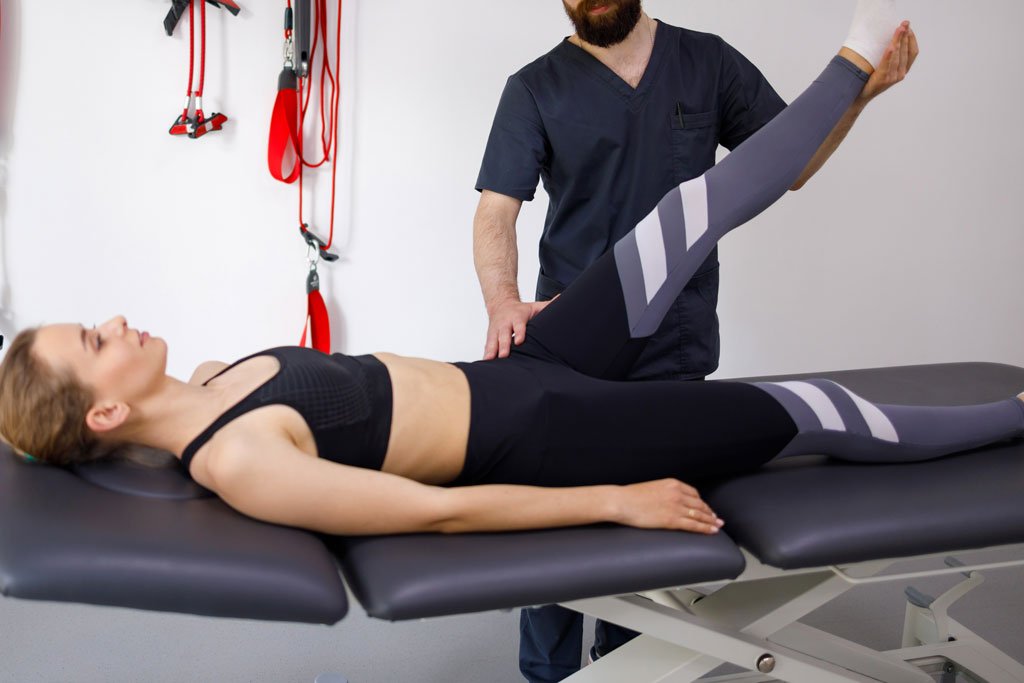
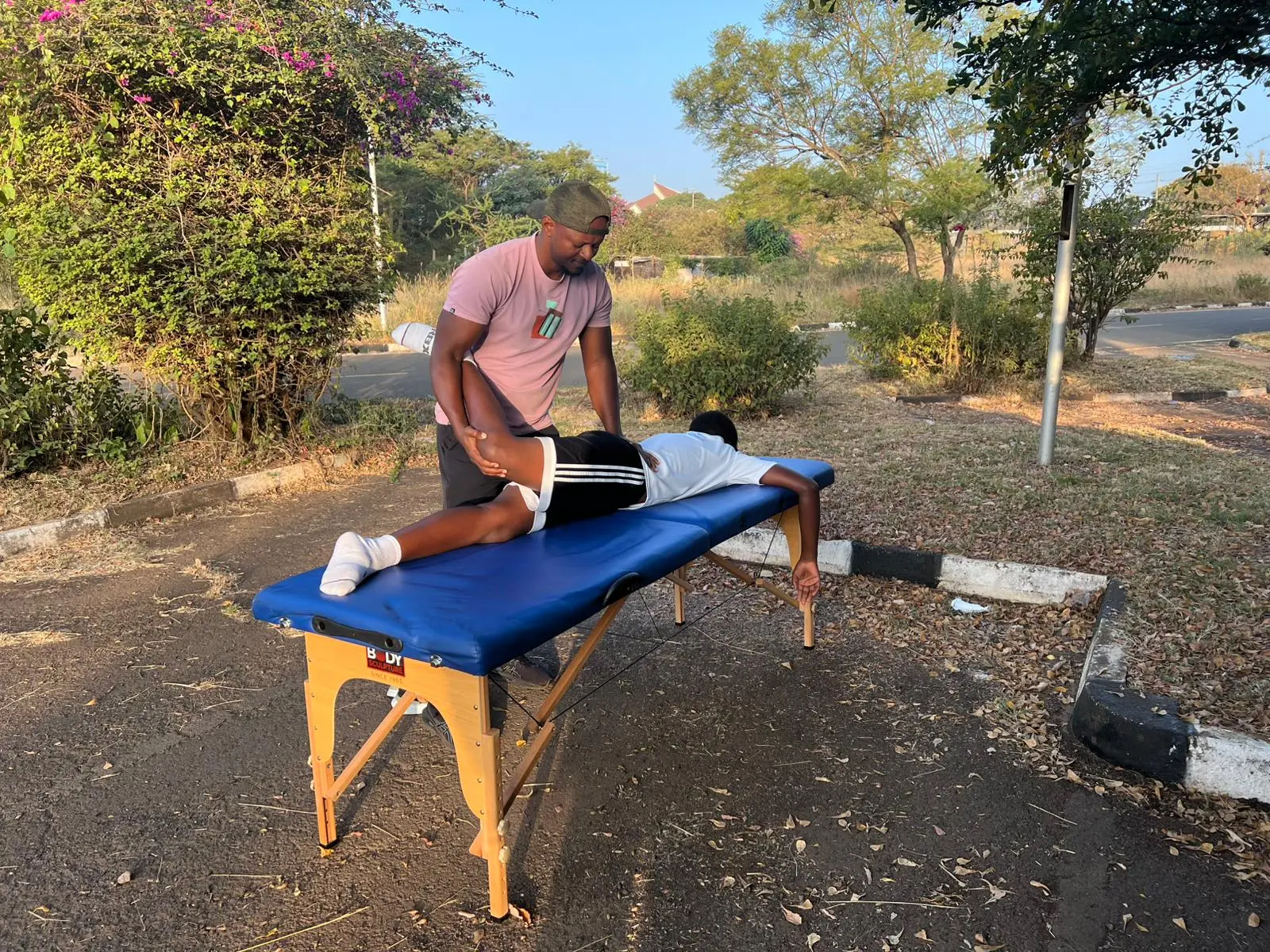
The key word is assisted. You lie comfortably on a treatment table while a trained fascial stretch therapist moves your limbs and joints through carefully controlled ranges of motion. Because you stay relaxed and the therapist controls the movement, the stretch reaches connective tissue that you simply can’t access on your own — and does it safely, without the strain or guesswork of self-stretching.

This is what makes assisted stretching and FST fundamentally different from the stretching most people already do at home or in the gym.


Understanding Your Fascia: The Science in Simple Terms

Fascia is a thin, tough, flexible sheet of connective tissue that surrounds and connects every structure in your body. Think of it as a continuous, three-dimensional web — when one area becomes tight, restricted, or scarred, the tension can pull on areas far away from the original problem.

Several things cause fascia to become stiff and “stuck”:

  • Repetitive movement from training or sport
  • Long hours of sitting at a desk or in a car
  • Past injuries and scar tissue that never fully released
  • Dehydration and inactivity, which make fascia less pliable
  • Chronic stress, which keeps tissue in a guarded, tightened state

When fascia loses its glide and elasticity, you feel it as stubborn stiffness, reduced range of motion, recurring soreness, and a sense that you “can’t quite loosen up.” Fascial Stretch Therapy targets this tissue directly — which is why it often succeeds where conventional stretching and foam rolling fall short.


How FST Differs From Ordinary Stretching

Static stretching — holding a hamstring stretch on the floor, for example — pulls on a single muscle and often triggers a protective tightening response. It can help, but its effects are limited and short-lived.

Fascial Stretch Therapy takes a wider, smarter approach:

  • It targets connective tissue, not just muscle. Tightness frequently lives in the fascia and around the joint capsule, not only in the muscle belly. FST addresses the whole system.
  • It decompresses joints. Gentle traction creates space within tight, compressed joints, reducing stiffness and improving range of motion.
  • It works with your nervous system. Because you stay relaxed and the therapist controls the pace, your body releases tension rather than guarding against it.
  • It restores movement patterns. Training, injury, and long hours at a desk distort how you move. FST helps re-establish the natural patterns your body has lost.

The result is mobility that feels effortless rather than forced.

FST vs. Static Stretching vs. Foam Rolling

FeatureFascial Stretch TherapyStatic StretchingFoam Rolling
Targets fascia & joint capsuleYesLimitedPartially
Decompresses jointsYesNoNo
Practitioner-assistedYesNoNo
Tailored to your bodyYesNoNo
Restores movement patternsYesMinimalMinimal
Relaxing & low-strainYesVariableOften uncomfortable

The Benefits of Fascial Stretch Therapy

Regular FST sessions can deliver a range of measurable improvements for both athletes and non-athletes in Nairobi:

  • Dramatically improved joint mobility and flexibility — move through fuller, freer ranges of motion
  • Reduced chronic stiffness — release the tightness that foam rolling and static stretching never quite reach
  • Joint decompression — relieve compressed, achy joints and the discomfort that comes with them
  • Lower injury risk — more elastic, resilient tissue is less prone to strains and tears
  • Better athletic performance — efficient movement means more power with less wasted effort
  • Faster recovery — looser, well-circulated tissue bounces back quicker after hard training
  • Relief from posture-related tension — counteract the effects of desk work and repetitive training
  • Improved circulation — better blood flow supports tissue health and recovery
  • Stress relief and relaxation — the calming, controlled pace helps down-regulate a tense nervous system

Whether you’re chasing a personal best or simply want to move through your day without nagging tightness, FST meets you where you are.


Who Is Fascial Stretch Therapy For?

One of the biggest misconceptions about FST is that it’s only for elite athletes. In reality, fascial stretch therapy in Kenya is for anyone who wants to move and feel better. You’ll benefit if you are:

  • A runner, cyclist, swimmer, or endurance athlete looking to recover faster and move more efficiently
  • A footballer, rugby, basketball, or tennis player wanting to protect your joints and stay in the game
  • A gym-goer, CrossFit athlete, or weightlifter struggling with restricted mobility
  • Recovering from a sports injury or muscle strain and trying to restore lost range of motion
  • Living with chronic back, neck, hip, or shoulder tightness
  • Experiencing joint stiffness, recurring soreness, or limited flexibility
  • Dealing with posture-related tension from long desk hours and screen time
  • An older adult who wants to stay mobile, balanced, and independent
  • Someone who simply feels stiff, restricted, or “tight all over” and wants relief

If you move your body — or wish you could move it more freely — FST is for you.


Common Problems Fascial Stretch Therapy Helps With

People across Nairobi come to us for FST to address issues such as:

  • Tight, restricted hamstrings, hips, and lower back
  • Forward head posture, rounded shoulders, and “tech neck” from desk work
  • Stiff shoulders and limited overhead reach
  • Recurring tightness that returns no matter how much you stretch
  • Reduced range of motion after an old injury
  • Joint stiffness that interferes with squatting, running, or lifting
  • General loss of flexibility with age or inactivity

Because fascia is interconnected, releasing one restricted area often brings relief to others — which is why many clients notice improvements beyond the spot they came in for.


What to Expect in a Session

At Trigger Point Fascia Wellness, Fascial Stretch Therapy isn’t a one-size-fits-all routine. Here’s how a typical session in our Parklands clinic unfolds:

  1. Assessment. Every session begins with a brief physical assessment of your movement patterns, tension areas, pain points, and training load.
  2. Tailored stretching. Based on that assessment, your therapist tailors the stretching to what your body actually needs that day — never a generic template.
  3. Gentle, assisted movement. You lie on a padded table while the therapist uses gentle traction and controlled movement to ease your joints and tissue through their ranges. There’s no aggressive pulling and no pain.
  4. Aftercare guidance. Your therapist may recommend simple self-care, mobility drills, or a follow-up rhythm to maintain your results.

You stay fully clothed in comfortable, flexible clothing throughout. Most people describe the experience as deeply relaxing, finishing the session feeling looser, taller, and noticeably more mobile.

FST is often combined with sports and medical massage and postural alignment for a complete soft-tissue treatment, but it can also stand on its own as a focused mobility and recovery therapy.


How Often Should You Book?

The ideal frequency depends on your goals:

  • For maintenance during active training: every 2–4 weeks keeps your tissue supple and your movement efficient.
  • For chronic stiffness or heavy training blocks: weekly sessions deliver the fastest, most lasting results.
  • For injury recovery: your therapist will recommend a tailored schedule based on your stage of healing.

Your therapist will recommend a rhythm based on your body, your activity level, and how you respond to the work.


How to Prepare for Your FST Session

A few simple steps help you get the most from your appointment:

  • Hydrate well before and after — well-hydrated fascia is more pliable.
  • Wear comfortable, flexible clothing you can move freely in, similar to gym wear.
  • Avoid a heavy meal right before your session.
  • Arrive a few minutes early so you can settle in and complete your assessment unhurried.
  • Share your goals and history — tell your therapist about any injuries, pain, or specific stiffness so the session can be tailored to you.

Why Choose Trigger Point Fascia Wellness?

We are Nairobi’s specialist fascial and soft tissue therapy clinic. That focus matters: Fascial Stretch Therapy isn’t a side service tacked onto a spa menu here — it’s our core expertise.

Our therapists are trained in advanced fascial anatomy, chronic pain management, and sports rehabilitation, giving you a clinical depth you won’t find at a standard wellness spa or gym massage service. Combined with our assessment-based, tailored approach, that means every stretch you receive is purposeful and calibrated to your body — never a generic template.

What sets us apart:

  • Specialist focus on fascia and soft-tissue therapy
  • Assessment-based, individualised treatment every visit
  • Clinically trained therapists in fascial anatomy and rehabilitation
  • A complete system that can combine FST with sports massage and postural alignment
  • Central Nairobi location in Parklands, easily accessible across the city

In short: this is clinical bodywork designed to make you better, not just to make you feel good for an hour.


Frequently Asked Questions

Is Fascial Stretch Therapy painful? No. FST is gentle and relaxing. The therapist works within your comfortable range and uses traction rather than force, so most people find it soothing rather than uncomfortable.

Do I need to be flexible to start? Not at all. FST is especially valuable for people who feel stiff and restricted. Improving that flexibility is exactly what it’s designed to do.

How is FST different from a sports massage? Sports massage uses pressure to work directly into muscles and soft tissue, while FST uses assisted movement and traction to lengthen fascia and decompress joints. They complement each other beautifully, which is why we often combine them.

What should I wear? Comfortable, flexible clothing you can move in — similar to what you’d wear to the gym. You stay clothed throughout the session.

How long is a session? Sessions are structured around a focused treatment window, beginning with assessment and moving into tailored stretching. Your therapist will confirm timing when you book.

Is it only for athletes? No. While athletes love FST, it benefits anyone with stiffness, posture-related tension, recovering injuries, or limited mobility — regardless of fitness level.

Should I do FST before or after training? Both work. Before training, it primes your joints and tissue for movement; after training, it helps you recover and release built-up tension. Your therapist will advise based on your goals.

How much does Fascial Stretch Therapy cost in Nairobi? Sessions at Trigger Point Fascia Wellness start from KES 6,000.

How soon will I notice results? Many people feel looser and more mobile immediately after their first session. Lasting change in chronic stiffness usually builds over a series of sessions.


Book Your Fascial Stretch Therapy Session in Nairobi

Ready to experience freer, pain-free movement? Visit Kenya’s specialist fascial therapy clinic and discover what your body feels like when your tissue moves the way it’s meant to.

📍 Location Doctors Park, 5th Floor, 3rd Avenue, Parklands, Nairobi, Kenya

📞 Phone / WhatsApp +254 726 414 516

✉️ Email info@triggerpointfascia.com

🕒 Business Hours Monday–Friday: 8:00 AM – 7:00 PM Saturday: 9:00 AM – 5:00 PM Sunday: Closed

💰 Sessions from KES 6,000

Trigger Point Fascia Wellness — Nairobi’s specialist clinic for fascial stretch therapy, assisted stretching, sports therapy, and medical massage in Kenya.

Categories
Medical Massage Therapy in Kenya

Medical Massage Therapy in Kenya

Medical Massage Therapy in Kenya: Targeted Pain Relief at Trigger Point Fascia Wellness

If you’ve been living with stubborn back pain, a stiff neck that won’t quit, or tension headaches that return week after week, a relaxing spa rub-down may feel nice in the moment but rarely fixes the problem. Medical massage therapy in Kenya takes a different approach. It treats the cause of your pain, not just the symptom — and at Trigger Point Fascia Wellness, that’s exactly what we’re built for.

This guide explains what medical massage therapy is, how trigger point therapy and myofascial release work, the conditions they help, and what to expect when you book a session with us.

What Is Medical Massage Therapy?

Medical massage therapy is a results-driven, clinically focused form of bodywork prescribed to treat a specific condition or injury. Unlike a general relaxation massage, every technique is chosen to address a documented problem — chronic pain, restricted movement, muscle injury, or postural strain.

A session typically begins with an assessment of your pain, posture, and movement. Your therapist then applies precise, evidence-informed techniques to the structures causing your discomfort, and gives you aftercare and self-care guidance so the results last beyond the treatment table.

In short: a spa massage is designed to make you feel good. Medical massage is designed to make you better.

Medical Massage vs. Relaxation Massage: What’s the Difference?

Relaxation / Spa MassageMedical Massage Therapy
GoalStress relief, pamperingTreating a specific condition or injury
ApproachGeneral, full-body, light-to-medium pressureTargeted, assessment-based, problem-focused
OutcomeTemporary calmMeasurable, lasting pain and mobility improvement
Follow-upUsually noneTreatment plan + self-care guidance

Both have their place. But if your goal is to resolve pain rather than briefly mask it, medical massage is the right tool.

Our Specialties: Trigger Point Therapy & Myofascial Release

Our name says it plainly — we focus on the two techniques that get the deepest, most lasting results for pain and stiffness.

Trigger Point Therapy

A trigger point is a tight, hyper-irritable knot within a muscle. These knots are notorious for referred pain — meaning a knot in your shoulder can send pain shooting up into your head, or a tight hip muscle can cause discomfort that feels like it’s coming from your lower back.

Trigger point therapy uses sustained, focused pressure on these exact knots to release them, restore healthy blood flow, and switch off the pain signal at its source. It’s one of the most effective treatments available for tension headaches, “computer neck,” and unexplained aches that move around the body.

Myofascial Release

Fascia is the thin, web-like connective tissue that wraps around every muscle, bone, and organ in your body — like a continuous bodysuit beneath your skin. When fascia becomes tight, dehydrated, or stuck after injury, poor posture, or stress, it restricts movement and creates pain that ordinary massage often can’t reach.

Myofascial release uses slow, sustained pressure and gentle stretching to loosen these restrictions, freeing up the entire chain of tissue. The result is greater range of motion, reduced stiffness, and relief that feels structural rather than surface-level.

Used together, trigger point therapy and myofascial release address both the knot and the web it sits in — which is why our clients often feel a difference that other massages never delivered.

Conditions Medical Massage Therapy Can Help

At Trigger Point Fascia Wellness, clients across Kenya come to us for relief from:

  • Chronic lower back pain and sciatica-type discomfort
  • Neck and shoulder tension from desk work, driving, and screen time
  • Tension and stress headaches
  • Sports injuries and overtraining strain (runners, footballers, gym-goers)
  • Repetitive strain injuries (RSI) from typing, lifting, or manual work
  • Postural problems and “tech neck”
  • Limited range of motion and joint stiffness
  • Muscle recovery after intense training or competition
  • Stress-related muscle tension that won’t release on its own

Important: Medical massage therapy is a complement to medical care, not a replacement for it. For any new, severe, or unexplained pain, please see a doctor first. We’re glad to work alongside your physiotherapist or physician.

The Benefits of Medical Massage Therapy

  • Targeted pain relief at the source, not just temporary easing
  • Improved mobility and flexibility so you move freely again
  • Faster recovery from injury, training, and overuse
  • Better posture and reduced strain from desk-based work
  • Reduced reliance on painkillers for muscular pain
  • Improved sleep and lower stress as chronic tension releases
  • Lasting results, supported by a personalised self-care plan

What to Expect in Your Session at Trigger Point Fascia Wellness

  1. Consultation & assessment. We listen to your concerns and assess your posture, movement, and pain points to understand what’s really going on.
  2. A tailored treatment plan. No two bodies are the same, so your session is built around your condition and goals.
  3. Focused, hands-on treatment. Using trigger point therapy, myofascial release, and complementary techniques, we work precisely on the structures causing your pain. Some pressure is therapeutic — we always work within your comfort.
  4. Aftercare guidance. You leave with simple stretches and self-care tips to extend and protect your results.
  5. Progress tracking. For chronic issues, we recommend a short series of sessions and monitor your improvement along the way.

Why Choose Trigger Point Fascia Wellness in Kenya?

  • Specialists, not generalists. Trigger point and fascia work are our craft — it’s literally our name.
  • A clinical, problem-solving mindset. We assess, treat, and measure results.
  • Personalised care. Every plan is built around your body and your goals.
  • A calm, professional, and welcoming space for clients across Nairobi and beyond.
  • Convenient booking via [BOOKING LINK], WhatsApp ([WHATSAPP]), or phone ([PHONE]).

📍 Location: [ADDRESS/AREA]  |  🕒 Hours: [HOURS]  |  💰 Sessions from: [PRICE FROM]

Frequently Asked Questions

Is medical massage therapy painful? You may feel firm, focused pressure on tight areas, and trigger point work can produce a “good hurt.” It should never be unbearable — we adjust to your comfort throughout, and any temporary tenderness afterward usually settles within a day.

How many sessions will I need? It depends on your condition. Acute tension may ease in one or two sessions, while chronic, long-standing issues often respond best to a short series. We’ll recommend a realistic plan after your first assessment.

What’s the difference between medical massage and deep tissue massage? Deep tissue massage is one technique we may use. Medical massage is the broader, assessment-based approach — it combines deep tissue, trigger point therapy, myofascial release, and other methods, all chosen specifically to treat your condition.

Do I need a doctor’s referral? No referral is required to book. However, if you’re managing a diagnosed medical condition or recovering from surgery, please let us know so we can treat you safely, and we’re happy to coordinate with your healthcare provider.

Where are you located and how do I book? We’re based in [ADDRESS/AREA]. Book online at [BOOKING LINK], message us on WhatsApp at [WHATSAPP], or call [PHONE].

Can medical massage help with desk-job neck and shoulder pain? Absolutely — it’s one of the most common reasons people come to us. Long hours at a screen create predictable trigger points and fascial tightness in the neck, shoulders, and upper back, all of which respond very well to targeted treatment.

Ready to Treat the Cause of Your Pain?

You don’t have to keep living with pain that comes back every week. At Trigger Point Fascia Wellness, we’ll help you find lasting relief through focused, expert medical massage therapy.