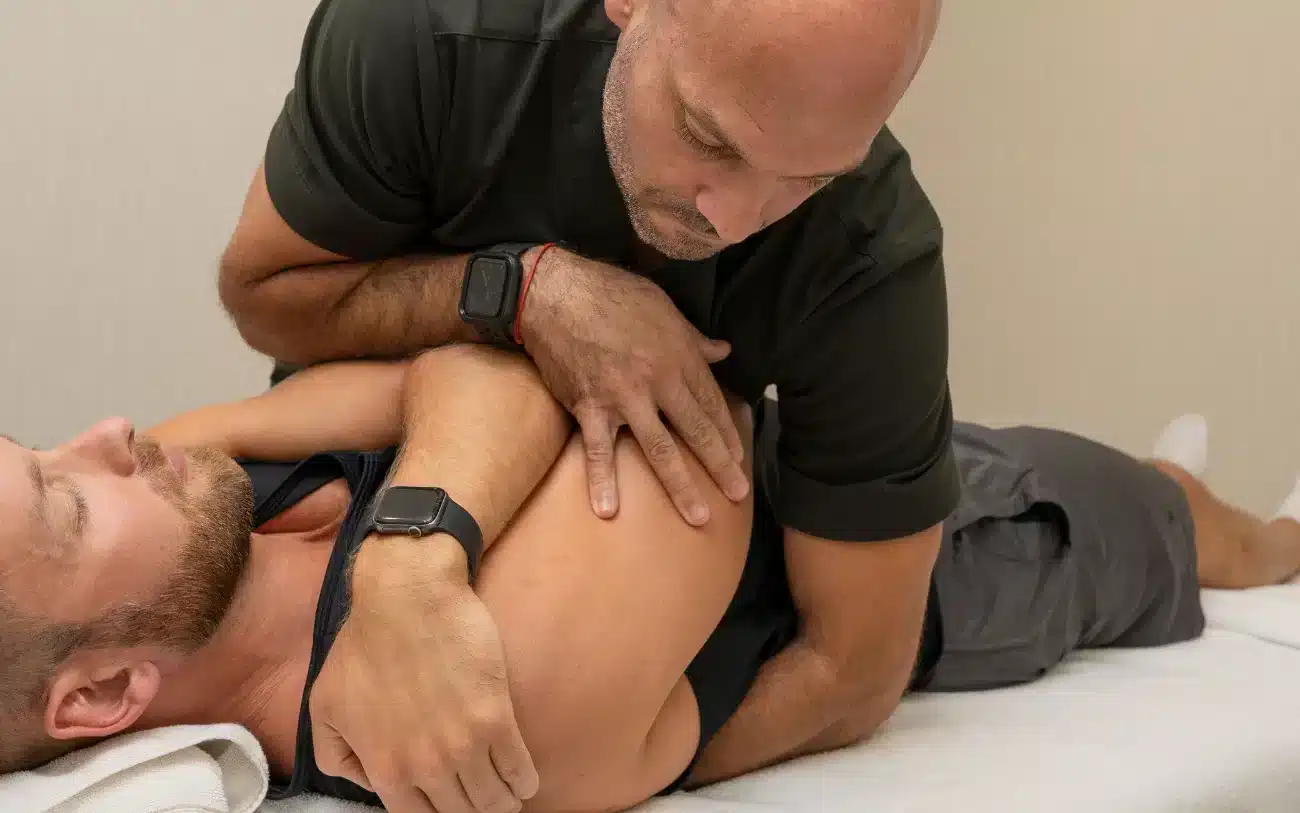
Categories
Physiotherapy & Sports Massage in Nairobi

Physiotherapy & Sports Massage in Nairobi

Physiotherapy & Sports Massage in Nairobi

Physiotherapy & Sports Massage in Nairobi: Professional Treatment for Pain Relief, Recovery, and Peak Performance

Whether you’re recovering from an injury, managing chronic pain, or looking to improve athletic performance, professional physiotherapy and sports massage can help restore movement, reduce discomfort, and support long-term musculoskeletal health.

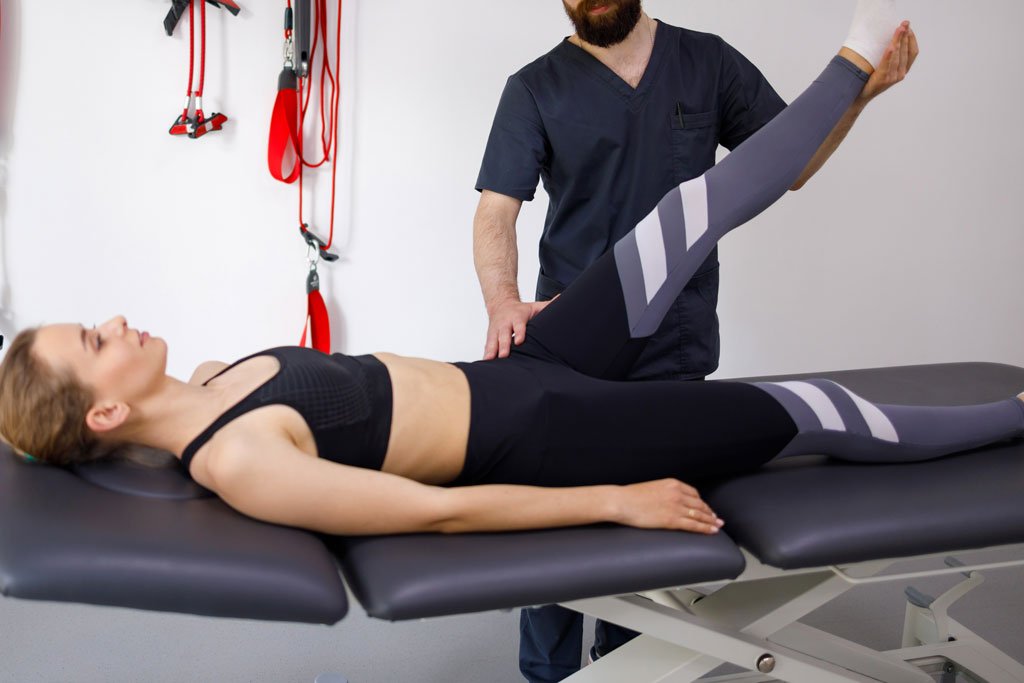
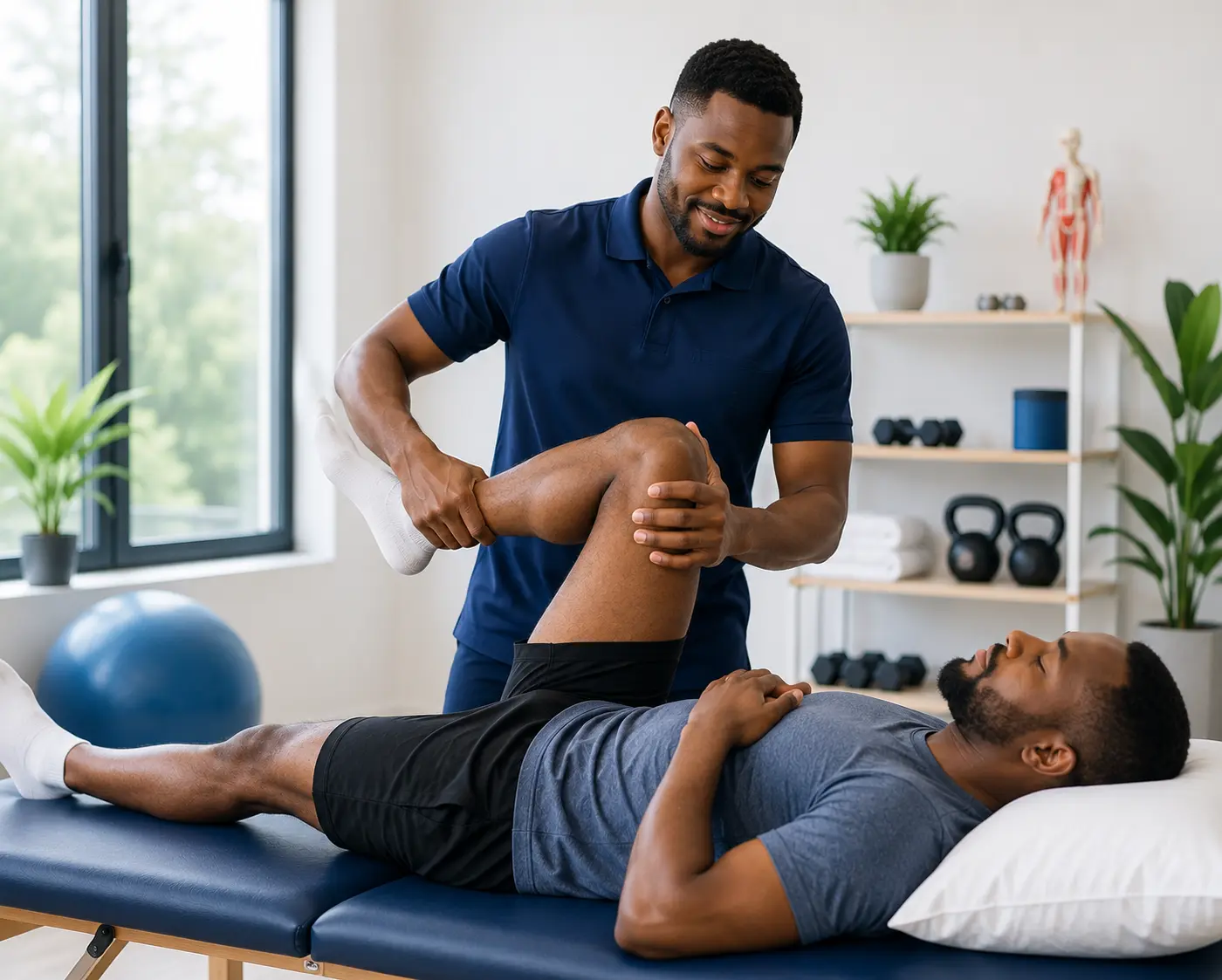
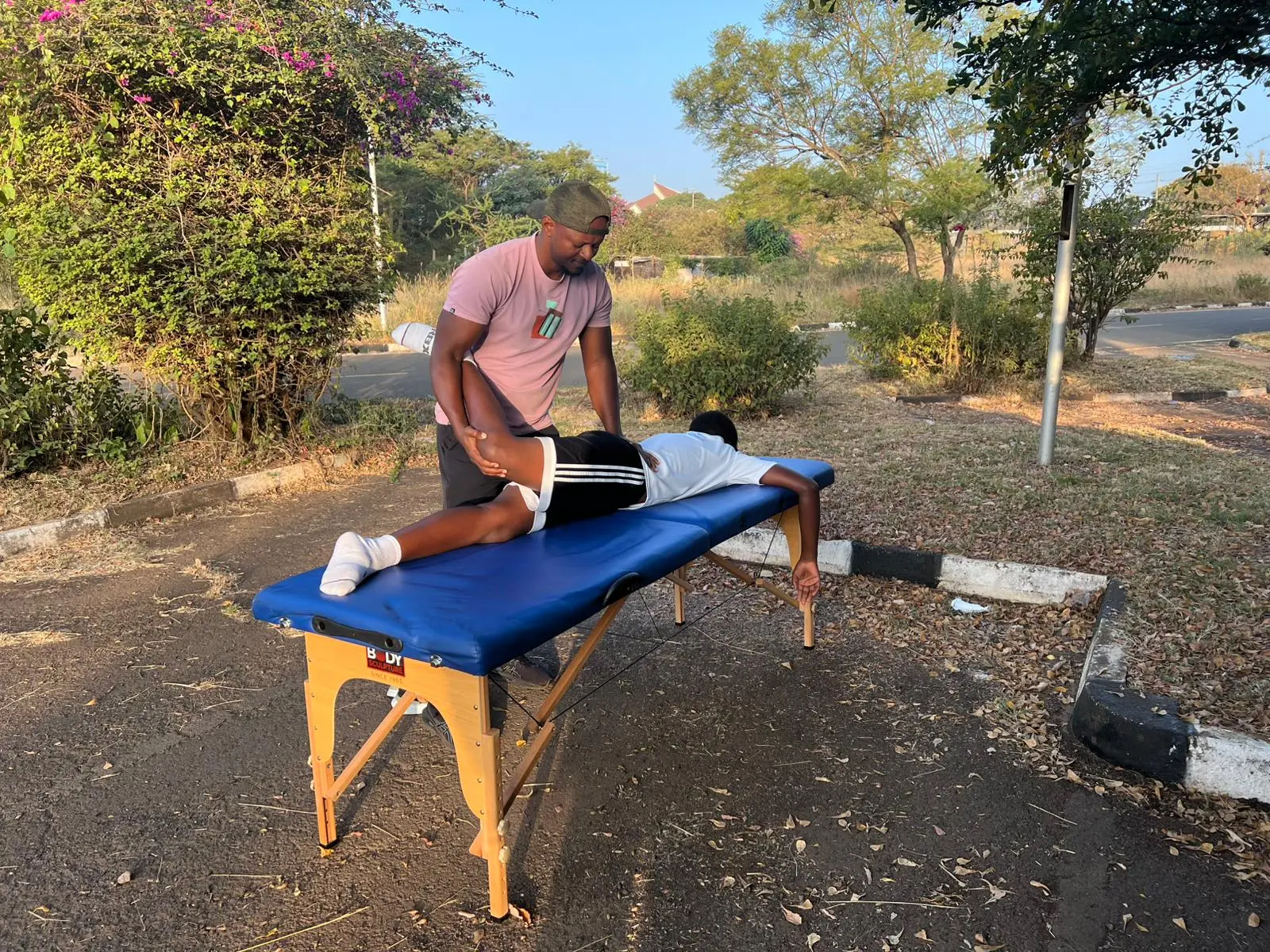
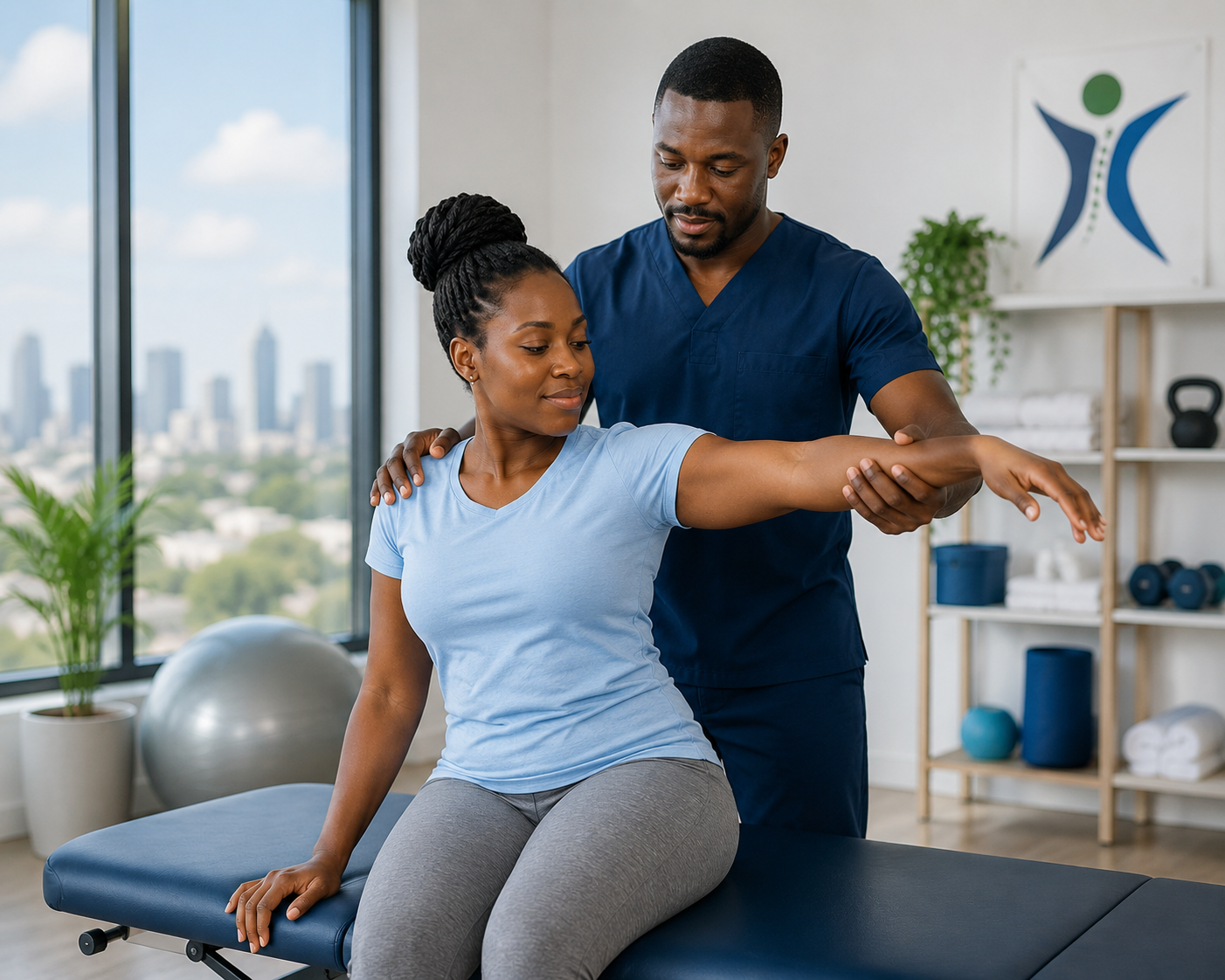
At Trigger Point Fascia, we provide comprehensive Physiotherapy & Sports Massage in Nairobi, combining evidence-based rehabilitation with advanced manual therapy techniques to help individuals recover faster, move better, and perform at their best. Our personalized treatment plans are designed for athletes, active individuals, office workers, seniors, and anyone experiencing muscle pain, joint stiffness, or movement limitations.

Located in Doctors Park, Parklands, Nairobi, our experienced physiotherapists deliver patient-centred care focused on identifying the root cause of pain rather than simply treating symptoms.


What Is Physiotherapy?

Physiotherapy is a healthcare profession that focuses on restoring movement, reducing pain, improving physical function, and preventing future injuries through non-surgical, evidence-based treatment.

Physiotherapists assess the body’s muscles, joints, ligaments, tendons, fascia, nerves, and movement patterns to diagnose musculoskeletal problems and develop customized rehabilitation programs.

Physiotherapy can help with:

  • Pain management
  • Injury rehabilitation
  • Sports injury recovery
  • Post-operative rehabilitation
  • Joint mobility
  • Muscle strengthening
  • Balance improvement
  • Flexibility enhancement
  • Posture correction
  • Functional movement restoration

What Is Sports Massage?

Sports massage is a specialized form of massage therapy that targets muscles, fascia, tendons, and connective tissues affected by physical activity, repetitive movements, or muscle overuse.

Unlike relaxation massage, sports massage focuses on improving muscle performance, accelerating recovery, preventing injuries, and reducing muscle tension.

Sports massage is beneficial for:

  • Professional athletes
  • Recreational athletes
  • Gym enthusiasts
  • Runners
  • Cyclists
  • Football players
  • Swimmers
  • Tennis players
  • Office workers
  • Individuals with muscle tightness

It is suitable both before and after physical activity and can also be incorporated into rehabilitation programs.


Benefits of Combining Physiotherapy and Sports Massage

When physiotherapy and sports massage are combined, patients often experience faster and more effective recovery.

Benefits include:

  • Reduced muscle pain
  • Improved flexibility
  • Faster injury recovery
  • Better circulation
  • Increased joint mobility
  • Reduced muscle tension
  • Improved posture
  • Better athletic performance
  • Enhanced muscle recovery
  • Lower injury risk
  • Reduced inflammation
  • Improved range of motion
  • Better movement efficiency
  • Stress reduction
  • Improved overall wellbeing

Conditions We Treat

Our physiotherapy and sports massage services are effective for a wide range of conditions.

Sports Injuries

We help athletes recover from:

  • Muscle strains
  • Ligament sprains
  • Tendon injuries
  • Runner’s knee
  • Tennis elbow
  • Golfer’s elbow
  • Shin splints
  • Achilles tendinopathy
  • Rotator cuff injuries
  • Hamstring injuries
  • Quadriceps injuries
  • Calf muscle injuries
  • Ankle sprains

Neck Pain

Common causes include:

  • Poor posture
  • Computer work
  • Whiplash
  • Muscle tension
  • Sports injuries

Treatment combines physiotherapy, trigger point therapy, stretching, and corrective exercises.


Back Pain

We treat:

  • Lower back pain
  • Upper back pain
  • Mechanical back pain
  • Muscle spasms
  • Disc-related pain (where appropriate)
  • Sciatica
  • Postural back pain

Shoulder Pain

Treatment may help with:

  • Frozen shoulder
  • Rotator cuff injuries
  • Shoulder impingement
  • Muscle tightness
  • Overuse injuries

Hip, Knee and Ankle Pain

Our rehabilitation programs support recovery from:

  • Arthritis
  • Tendon injuries
  • Sports injuries
  • Joint instability
  • Muscle imbalance

Workplace-Related Pain

Office workers frequently experience:

  • Neck stiffness
  • Upper back pain
  • Lower back pain
  • Wrist pain
  • Shoulder tension
  • Poor posture

We combine ergonomic advice with physiotherapy and manual therapy to restore healthy movement.


Our Physiotherapy Assessment

Every treatment begins with a comprehensive assessment.

This includes:

Medical History

We discuss:

  • Symptoms
  • Previous injuries
  • Occupation
  • Activity level
  • Medical conditions
  • Treatment history

Physical Examination

We evaluate:

  • Joint mobility
  • Muscle strength
  • Flexibility
  • Balance
  • Coordination
  • Walking pattern
  • Functional movement
  • Posture

Clinical Diagnosis

Your physiotherapist identifies the root cause of your symptoms and develops an individualized treatment plan.


Our Physiotherapy Treatments

Treatment may include:

Manual Therapy

Hands-on techniques help reduce pain and improve mobility.

This may involve:

  • Joint mobilization
  • Soft tissue mobilization
  • Trigger point therapy
  • Myofascial release
  • Muscle energy techniques

Exercise Therapy

Customized rehabilitation programs include:

  • Strengthening exercises
  • Stretching
  • Core stability
  • Balance training
  • Functional rehabilitation
  • Sports-specific exercises

Dry Needling (where appropriate)

Dry needling may be used to relieve trigger points, reduce muscle tightness, and improve movement when clinically indicated.


Posture Correction

Poor posture contributes significantly to chronic pain.

We provide:

  • Postural assessment
  • Corrective exercises
  • Workplace ergonomic advice
  • Movement retraining

Our Sports Massage Techniques

Each session is tailored to your condition and goals.

Techniques may include:

Deep Tissue Massage

Targets deeper muscle layers to release chronic tension.

Trigger Point Therapy

Relieves painful muscle knots and referred pain.

Myofascial Release

Improves fascial mobility and reduces stiffness.

Compression Techniques

Stimulate circulation and muscle recovery.

Cross Fibre Friction

Supports tendon healing and tissue repair.

Assisted Stretching

Improves flexibility and restores normal muscle length.


Who Can Benefit?

Our services are suitable for:

Athletes

Maintain peak performance while reducing injury risk.

Runners

Recover from overuse injuries and improve running mechanics.

Football Players

Treat muscle strains, ligament injuries, and performance limitations.

Gym Members

Reduce muscle soreness and improve recovery after intense training.

Office Workers

Address posture-related pain caused by prolonged sitting.

Seniors

Improve mobility, balance, strength, and independence.

Students

Manage neck and back pain associated with prolonged studying and device use.


Sports Massage for Recovery

Recovery is an essential part of athletic performance.

Sports massage can help:

  • Reduce delayed onset muscle soreness (DOMS)
  • Improve circulation
  • Reduce recovery time
  • Improve muscle flexibility
  • Enhance tissue healing
  • Prepare muscles for competition
  • Improve training consistency

Injury Prevention

Prevention is always better than treatment.

Regular physiotherapy and sports massage can help:

  • Detect movement dysfunction
  • Improve flexibility
  • Correct muscle imbalance
  • Improve joint mobility
  • Enhance body mechanics
  • Reduce repetitive strain injuries
  • Support healthy training routines

Why Choose Trigger Point Fascia?

Patients choose Trigger Point Fascia because we provide:

  • Comprehensive physiotherapy assessments
  • Experienced physiotherapists
  • Personalized rehabilitation plans
  • Evidence-based treatment
  • Sports injury expertise
  • Manual therapy
  • Trigger point therapy
  • Myofascial release
  • Sports massage
  • Corrective exercise programs
  • Posture rehabilitation
  • Ergonomic assessments
  • Patient education
  • Convenient Parklands location
  • Comfortable treatment environment

Our approach focuses on treating the root cause of pain while helping patients achieve long-term recovery and improved physical performance.


Frequently Asked Questions

How often should I have sports massage?

This depends on your activity level and treatment goals. Competitive athletes may benefit from weekly or bi-weekly sessions, while recreational exercisers and individuals with muscle tension may require less frequent treatments.

Is sports massage painful?

Some techniques may cause mild discomfort when treating tight muscles or trigger points, but treatment should remain within a comfortable and therapeutic range.

Can I combine physiotherapy and sports massage?

Yes. Combining physiotherapy with sports massage often provides better outcomes by addressing both movement dysfunction and muscle tension.

Do I need physiotherapy if I only have muscle tightness?

Not always, but an assessment can identify whether the tightness is due to an underlying biomechanical issue that should be treated to prevent recurring symptoms.

How many physiotherapy sessions will I need?

The number of sessions varies depending on your condition, severity of symptoms, and rehabilitation goals. Your physiotherapist will discuss a personalized treatment plan after your initial assessment.


Book Your Physiotherapy & Sports Massage Appointment Today

Whether you’re recovering from a sports injury, managing chronic pain, improving posture, or preparing for your next athletic event, professional physiotherapy and sports massage can help you move with greater confidence and comfort.

At Trigger Point Fascia, we are dedicated to providing expert physiotherapy, sports rehabilitation, and sports massage services that support lasting recovery, injury prevention, and optimal physical performance.

Contact Us

Trigger Point Fascia

Address:
Doctors Park, 5th Floor, 3rd Avenue, Parklands, Nairobi

Phone:
+254 726 414 516

WhatsApp:
WhatsApp Us

Email:
booking@triggerpointfascia.co.ke

Book your appointment today and discover how expert physiotherapy and sports massage can help you recover faster, relieve pain, improve mobility, and perform at your best.

Categories
Posture Correction Physiotherapy Services in Nairobi

Posture Correction Physiotherapy Services in Nairobi

Posture Correction Physiotherapy Services in Nairobi

Posture Correction Physiotherapy Services in Nairobi: Improve Your Posture, Relieve Pain, and Restore Movement

Poor posture has become increasingly common in today’s digital world. Whether you spend long hours working at a desk, driving, studying, or using a smartphone, your posture directly impacts your overall health, comfort, and quality of life. Slouching, rounded shoulders, forward head posture, and spinal misalignment can gradually lead to chronic neck pain, back pain, headaches, reduced mobility, muscle fatigue, and decreased confidence.

At Trigger Point Fascia, we provide professional posture correction physiotherapy services in Nairobi designed to identify the root causes of poor posture and develop personalized treatment plans that restore proper alignment, reduce pain, and improve long-term movement patterns. Our evidence-based physiotherapy approach combines manual therapy, corrective exercises, movement retraining, and patient education to help you achieve lasting results.

Posture correction physiotherapy is a specialized branch of physiotherapy that focuses on improving body alignment during standing, sitting, walking, lifting, and other daily activities.

Rather than simply treating pain, posture correction addresses the underlying muscular imbalances, joint restrictions, and movement dysfunctions that contribute to poor posture.

A qualified physiotherapist performs a comprehensive assessment of your:

  • Head position
  • Neck alignment
  • Shoulder posture
  • Spine curvature
  • Pelvic alignment
  • Hip mobility
  • Knee positioning
  • Foot mechanics
  • Muscle strength
  • Core stability
  • Flexibility
  • Walking pattern (gait)

Based on these findings, an individualized treatment plan is developed to restore optimal posture and movement.


Common Signs You May Need Posture Correction

Many people don’t realize that poor posture develops gradually over time.

You may benefit from posture correction physiotherapy if you experience:

  • Persistent neck pain
  • Upper back stiffness
  • Lower back pain
  • Rounded shoulders
  • Forward head posture
  • Frequent headaches
  • Shoulder tension
  • Muscle fatigue
  • Poor balance
  • Difficulty standing for long periods
  • Hip discomfort
  • Uneven shoulders
  • Reduced flexibility
  • Tingling in the arms
  • Recurrent muscle tightness

Even if you are not currently experiencing pain, correcting posture early can prevent future musculoskeletal problems.


Common Causes of Poor Posture

Several lifestyle and medical factors contribute to postural problems.

These include:

Prolonged Sitting

Office workers who spend several hours at a computer often develop rounded shoulders and forward head posture.

Smartphone Use

Looking down at mobile devices for extended periods places excessive stress on the neck muscles.

Weak Core Muscles

Poor abdominal and back muscle strength reduces spinal support.

Muscle Imbalances

Tight chest muscles combined with weak upper back muscles commonly contribute to poor posture.

Previous Injuries

Old injuries affecting the spine, pelvis, hips, knees, or ankles can alter normal body alignment.

Sedentary Lifestyle

Lack of physical activity reduces muscle endurance and flexibility.

Poor Workplace Ergonomics

Incorrect desk height, chair positioning, or monitor placement encourages unhealthy posture habits.


Conditions That Benefit from Posture Correction Physiotherapy

Our physiotherapy programs can help manage a wide range of musculoskeletal conditions, including:

  • Mechanical neck pain
  • Chronic back pain
  • Upper crossed syndrome
  • Lower crossed syndrome
  • Forward head posture
  • Rounded shoulders
  • Thoracic kyphosis
  • Lumbar postural dysfunction
  • Scoliosis (selected cases)
  • Muscle imbalance
  • Sciatica related to poor posture
  • Shoulder impingement
  • Tension headaches
  • Workplace-related musculoskeletal disorders
  • Sports posture abnormalities

Our Comprehensive Posture Assessment

Every treatment begins with a detailed physiotherapy assessment.

This may include:

Medical History Review

We discuss your symptoms, daily activities, occupation, exercise habits, previous injuries, and treatment history.

Postural Analysis

Your physiotherapist carefully evaluates body alignment from multiple angles while standing and sitting.

Movement Assessment

We assess how your body moves during bending, lifting, reaching, squatting, and walking.

Muscle Strength Testing

Weak muscle groups are identified to guide corrective exercise prescription.

Flexibility Assessment

Tight muscles restricting normal posture are evaluated.

Joint Mobility Examination

Restricted joints affecting posture are identified and treated.


Our Posture Correction Treatment Approach

At Trigger Point Fascia, we use a holistic treatment approach that addresses both symptoms and underlying causes.

Manual Therapy

Hands-on physiotherapy techniques help improve joint mobility, reduce muscle tension, and restore normal movement.

Treatment may include:

  • Joint mobilization
  • Soft tissue therapy
  • Trigger point therapy
  • Myofascial release
  • Muscle stretching

Corrective Exercise Programs

Specific exercises are prescribed to strengthen weak muscles while stretching tight structures.

Programs may include:

  • Core strengthening
  • Scapular stabilization
  • Neck strengthening
  • Hip strengthening
  • Glute activation
  • Postural endurance exercises
  • Functional movement training

Postural Retraining

Patients learn proper body mechanics during everyday activities such as:

  • Sitting
  • Standing
  • Walking
  • Lifting
  • Driving
  • Computer work
  • Sleeping

Developing these healthy habits is essential for long-term improvement.


Ergonomic Advice

We assess your work environment and recommend adjustments that support better posture.

Recommendations may include:

  • Chair positioning
  • Desk height
  • Monitor placement
  • Keyboard alignment
  • Standing desk use
  • Safe lifting techniques

Movement Education

Understanding how posture affects pain empowers patients to prevent future problems.

Education includes:

  • Daily posture awareness
  • Stretching routines
  • Workplace exercises
  • Home exercise programs
  • Activity modification

Benefits of Professional Posture Correction

With consistent physiotherapy treatment, many patients experience:

  • Reduced neck pain
  • Reduced back pain
  • Improved spinal alignment
  • Better flexibility
  • Increased mobility
  • Improved balance
  • Enhanced athletic performance
  • Better breathing mechanics
  • Increased energy levels
  • Reduced headaches
  • Improved confidence
  • Better workplace comfort
  • Lower injury risk
  • Improved quality of life

Who Can Benefit?

Our posture correction services are suitable for:

Office Workers

Reduce pain caused by prolonged computer use.

Students

Correct posture developed from studying and device use.

Drivers

Improve spinal health after long hours behind the wheel.

Healthcare Professionals

Reduce physical strain associated with demanding work environments.

Athletes

Optimize movement efficiency and sports performance.

Seniors

Improve balance, mobility, and independence.

Teenagers

Address developing postural issues early before they become chronic.


Why Early Posture Correction Matters

Ignoring poor posture may eventually contribute to:

  • Chronic neck pain
  • Disc problems
  • Persistent back pain
  • Joint degeneration
  • Reduced mobility
  • Muscle weakness
  • Nerve compression
  • Poor athletic performance
  • Frequent headaches

Early physiotherapy intervention helps prevent these complications while promoting lifelong spinal health.


Why Choose Trigger Point Fascia?

Patients across Nairobi trust Trigger Point Fascia because we provide:

  • Comprehensive physiotherapy assessments
  • Personalized treatment plans
  • Evidence-based rehabilitation
  • Experienced physiotherapists
  • Hands-on manual therapy
  • Modern rehabilitation techniques
  • Patient-centered care
  • Convenient Parklands location
  • Comfortable treatment environment
  • Ongoing education and support

Our goal is not only to relieve pain but also to correct the underlying movement dysfunctions that contribute to poor posture, helping you move confidently and comfortably every day.


Frequently Asked Questions

How long does posture correction take?

The duration varies depending on the severity of your posture issues, lifestyle habits, and consistency with your prescribed exercise program. Many patients begin noticing improvements within a few weeks, while long-standing postural problems may require several months of guided rehabilitation.

Is posture correction painful?

Treatment is generally comfortable. Some manual therapy techniques or strengthening exercises may cause mild temporary soreness as your body adapts, but your physiotherapist will tailor treatment to your comfort level.

Can adults improve their posture?

Yes. Adults of all ages can significantly improve their posture through targeted physiotherapy, strengthening exercises, flexibility training, and consistent movement education.

Do I need a doctor’s referral?

In most cases, you can book directly for a physiotherapy assessment without a referral. If your condition requires further medical evaluation, we will guide you accordingly.

Will I receive exercises to do at home?

Absolutely. A personalized home exercise program is an important part of successful posture correction and helps reinforce the improvements achieved during your clinic sessions.


Book Your Posture Assessment Today

Good posture is about more than appearance—it is the foundation of healthy movement, reduced pain, and long-term wellbeing. If you are experiencing neck pain, back discomfort, muscle tension, or simply want to improve your posture and prevent future problems, our experienced physiotherapists are here to help.

At Trigger Point Fascia, we are committed to helping you move better, feel stronger, and live pain-free through personalized posture correction physiotherapy services tailored to your unique needs.

Contact Us

Trigger Point Fascia

Address:
Doctors Park, 5th Floor, 3rd Avenue, Parklands, Nairobi

Phone:
+254 726 414 516

WhatsApp:
WhatsApp Us

Email:
booking@triggerpointfascia.co.ke

Schedule your posture assessment today and take the first step toward better posture, improved mobility, and a healthier, more active life.

Posture Correction Physiotherapy Services in Nairobi | Postural Alignment Therapy in Kenya

Improve Your Posture, Relieve Pain, and Restore Healthy Movement with Expert Physiotherapy

Poor posture is one of the leading causes of neck pain, back pain, shoulder tension, headaches, and reduced mobility. Whether you spend long hours working at a desk, driving, studying, or using digital devices, poor postural habits can gradually affect your spine, muscles, joints, and overall quality of life.

At Trigger Point Fascia, we offer Posture Correction Physiotherapy Services in Nairobi and Postural Alignment Therapy in Kenya to help individuals restore proper body alignment, improve movement, relieve chronic pain, and prevent future musculoskeletal problems. Our evidence-based physiotherapy programs combine comprehensive posture assessment, manual therapy, myofascial techniques, corrective exercises, ergonomic education, and personalized rehabilitation plans to deliver long-lasting results.

Whether you’re experiencing neck stiffness, lower back pain, rounded shoulders, poor sitting posture, or postural fatigue, our experienced physiotherapists develop customized treatment programs tailored to your lifestyle and health goals.


What Is Posture Correction Physiotherapy?

Posture correction physiotherapy is a specialized rehabilitation service that evaluates and improves the way your body aligns during sitting, standing, walking, working, exercising, and other daily activities.

Instead of only treating pain, physiotherapy identifies the underlying causes of poor posture such as muscle weakness, tight fascia, joint stiffness, movement dysfunction, spinal imbalance, and poor ergonomic habits.

Our comprehensive assessment evaluates:

  • Head and neck alignment
  • Cervical spine posture
  • Shoulder positioning
  • Thoracic spine mobility
  • Lumbar spine alignment
  • Pelvic position
  • Hip stability
  • Knee and ankle alignment
  • Foot biomechanics
  • Muscle strength
  • Core stability
  • Flexibility
  • Balance
  • Walking pattern (gait analysis)
  • Functional movement patterns

The findings are used to create a personalized posture correction program that restores optimal movement and reduces pain.


What Is Postural Alignment Therapy?

Postural alignment therapy focuses on restoring the body’s natural alignment by correcting muscular imbalances, improving spinal mechanics, enhancing joint mobility, and retraining healthy movement patterns.

Proper postural alignment helps:

  • Reduce spinal stress
  • Improve balance
  • Enhance flexibility
  • Improve breathing mechanics
  • Reduce muscle fatigue
  • Increase core stability
  • Improve athletic performance
  • Prevent repetitive strain injuries
  • Support healthy ageing
  • Improve workplace comfort

At Trigger Point Fascia, postural alignment therapy is integrated into our physiotherapy programs to ensure long-term improvements rather than temporary pain relief.


Signs You May Need Posture Correction Physiotherapy

Many people develop postural problems gradually without noticing until pain becomes persistent.

You may benefit from professional posture correction if you experience:

  • Chronic neck pain
  • Upper back pain
  • Lower back pain
  • Rounded shoulders
  • Forward head posture (“tech neck”)
  • Poor sitting posture
  • Uneven shoulders
  • Muscle tightness
  • Frequent headaches
  • Shoulder pain
  • Hip pain
  • Pelvic imbalance
  • Poor balance
  • Muscle fatigue
  • Tingling or numbness in the arms
  • Difficulty standing for long periods
  • Reduced flexibility
  • Stiff joints
  • Poor walking posture

Even if you are not currently experiencing pain, correcting posture early can help prevent long-term musculoskeletal conditions.


Common Causes of Poor Posture

Poor posture can result from several lifestyle, occupational, and medical factors.

These include:

Prolonged Computer Work

Extended hours at a desk often lead to forward head posture, rounded shoulders, and spinal strain.

Smartphone and Tablet Use

Constantly looking down at electronic devices places excessive stress on the neck and upper back.

Sedentary Lifestyle

Insufficient physical activity weakens the muscles that support healthy posture.

Weak Core Muscles

Poor abdominal and spinal muscle strength reduces stability and increases the risk of postural dysfunction.

Muscle Imbalances

Tight chest muscles combined with weak upper back muscles commonly contribute to poor alignment.

Previous Injuries

Old injuries affecting the spine, hips, knees, ankles, or shoulders can alter movement patterns and posture.

Poor Workplace Ergonomics

Improper desk setup, monitor height, chair support, and workstation positioning encourage unhealthy posture.


Conditions We Treat

Our posture correction physiotherapy services can help individuals living with:

  • Mechanical neck pain
  • Chronic lower back pain
  • Mid-back pain
  • Forward head posture
  • Rounded shoulders
  • Upper Crossed Syndrome
  • Lower Crossed Syndrome
  • Postural dysfunction
  • Muscle imbalance
  • Thoracic kyphosis
  • Mild scoliosis (where appropriate)
  • Sciatica related to posture
  • Shoulder impingement
  • Cervicogenic headaches
  • Tension headaches
  • Workplace-related musculoskeletal disorders
  • Sports-related postural dysfunction
  • Repetitive strain injuries (RSI)

Our Comprehensive Posture Assessment

Every patient undergoes a thorough physiotherapy assessment before treatment begins.

Medical History

We review your symptoms, occupation, lifestyle, exercise habits, previous injuries, surgeries, and treatment history.

Digital Postural Analysis

We assess your body alignment from multiple angles while sitting, standing, and moving.

Functional Movement Screening

Movement quality is evaluated during bending, lifting, squatting, reaching, walking, and everyday functional tasks.

Muscle Strength Testing

Weak muscle groups affecting posture are identified.

Flexibility Assessment

We assess shortened muscles that contribute to poor posture and restricted movement.

Joint Mobility Examination

Restricted spinal and peripheral joints are evaluated to improve movement and function.

Ergonomic Assessment

Where necessary, we provide recommendations for improving your workstation, office chair, desk setup, and work habits.


Our Evidence-Based Treatment Approach

Our physiotherapists combine several advanced techniques to address both symptoms and their underlying causes.

Manual Therapy

Hands-on physiotherapy techniques improve mobility, reduce muscle tension, and restore normal joint movement.

Treatment may include:

  • Joint mobilization
  • Soft tissue mobilization
  • Trigger point therapy
  • Myofascial release
  • Stretching techniques
  • Fascia release therapy

Corrective Exercise Therapy

Every patient receives a customized rehabilitation program that may include:

  • Core strengthening
  • Postural strengthening exercises
  • Scapular stabilization
  • Neck strengthening
  • Hip strengthening
  • Glute activation
  • Balance training
  • Functional movement exercises
  • Flexibility training

Movement Retraining

We teach healthier movement strategies during:

  • Sitting
  • Standing
  • Walking
  • Lifting
  • Driving
  • Computer work
  • Sleeping
  • Exercise

These techniques help prevent pain from returning.


Ergonomic Education

Proper workplace ergonomics significantly reduces strain on the neck and spine.

We provide practical guidance on:

  • Office workstation setup
  • Computer monitor positioning
  • Sitting posture
  • Standing desk use
  • Keyboard and mouse positioning
  • Safe lifting techniques
  • Home office ergonomics

Patient Education

Education plays a key role in long-term recovery.

You’ll learn:

  • Daily posture correction tips
  • Stretching routines
  • Home exercise programs
  • Spine health education
  • Workplace movement breaks
  • Injury prevention strategies

Benefits of Professional Posture Correction

Patients who complete posture rehabilitation often experience:

  • Reduced neck pain
  • Reduced back pain
  • Improved spinal alignment
  • Better posture
  • Increased flexibility
  • Enhanced mobility
  • Improved breathing
  • Better balance
  • Reduced muscle tension
  • Fewer headaches
  • Increased productivity
  • Improved sports performance
  • Better confidence
  • Reduced injury risk
  • Improved quality of life

Who Can Benefit?

Our services are ideal for:

Office Workers

Reduce pain associated with prolonged sitting and computer work.

Students

Improve posture developed through studying and extended device use.

Remote Workers

Create healthier work habits and reduce work-from-home posture problems.

Drivers

Reduce spinal strain caused by long hours of driving.

Athletes

Improve movement efficiency, flexibility, and performance.

Healthcare Professionals

Reduce occupational strain from physically demanding work.

Seniors

Improve posture, mobility, balance, and independence.

Teenagers

Correct postural habits early while supporting healthy growth and development.


Why Early Intervention Matters

Poor posture rarely improves on its own.

Without treatment, it may contribute to:

  • Chronic neck pain
  • Chronic back pain
  • Disc degeneration
  • Nerve compression
  • Reduced mobility
  • Shoulder dysfunction
  • Hip pain
  • Joint stiffness
  • Muscle weakness
  • Poor balance
  • Reduced physical performance
  • Increased risk of injury

Early physiotherapy intervention helps restore healthy movement before symptoms become more severe.


Why Choose Trigger Point Fascia?

At Trigger Point Fascia, we are committed to delivering patient-centred physiotherapy based on clinical evidence and individualized care.

Our clinic offers:

  • Comprehensive posture assessments
  • Personalized treatment plans
  • Evidence-based physiotherapy
  • Postural alignment therapy
  • Trigger point therapy
  • Myofascial release
  • Corrective exercise rehabilitation
  • Ergonomic assessments
  • Manual therapy
  • Sports injury rehabilitation
  • Experienced physiotherapists
  • Convenient Parklands location
  • Comfortable treatment environment
  • Ongoing patient education and support

Our goal is not simply to relieve pain but to restore healthy posture, improve movement quality, and help you return confidently to work, sport, and everyday life.


Frequently Asked Questions

How long does posture correction take?

Recovery depends on the severity of your condition, your daily habits, and how consistently you follow your home exercise program. Many patients notice improvements within a few weeks, while more complex cases may require longer-term rehabilitation.

Can physiotherapy permanently improve posture?

Yes. With professional guidance, corrective exercises, manual therapy, ergonomic modifications, and consistent practice, posture can be significantly improved and maintained over the long term.

Is posture correction only for people with pain?

No. Many people seek posture correction to improve movement, prevent injuries, enhance athletic performance, improve workplace comfort, and maintain spinal health before pain develops.

What should I wear for my assessment?

Comfortable clothing that allows easy movement is recommended. Shorts and a fitted T-shirt are ideal for accurate posture assessment.

Will I receive exercises to do at home?

Yes. Every treatment plan includes a personalized home exercise program designed to reinforce your progress between clinic visits.


Why Invest in Your Posture?

Good posture supports healthy joints, muscles, ligaments, and nerves throughout your body. Investing in professional posture correction today can help prevent years of discomfort, improve your confidence, enhance your physical performance, and support long-term spinal health.

If you’re looking for Posture Correction Physiotherapy Services in NairobiPostural Alignment Therapy in KenyaPosture Assessment in NairobiErgonomic PhysiotherapyManual Therapy for Poor PostureMyofascial Release Therapy, or Physiotherapy for Neck and Back Pain, Trigger Point Fascia is here to help.


Contact Us

Trigger Point Fascia

Address:
Doctors Park, 5th Floor, 3rd Avenue, Parklands, Nairobi

Phone:
+254 726 414 516

WhatsApp:
WhatsApp Us

Email:
booking@triggerpointfascia.co.ke

Book your comprehensive posture assessment today and begin your journey toward better posture, improved mobility, reduced pain, and a healthier, more active lifestyle.

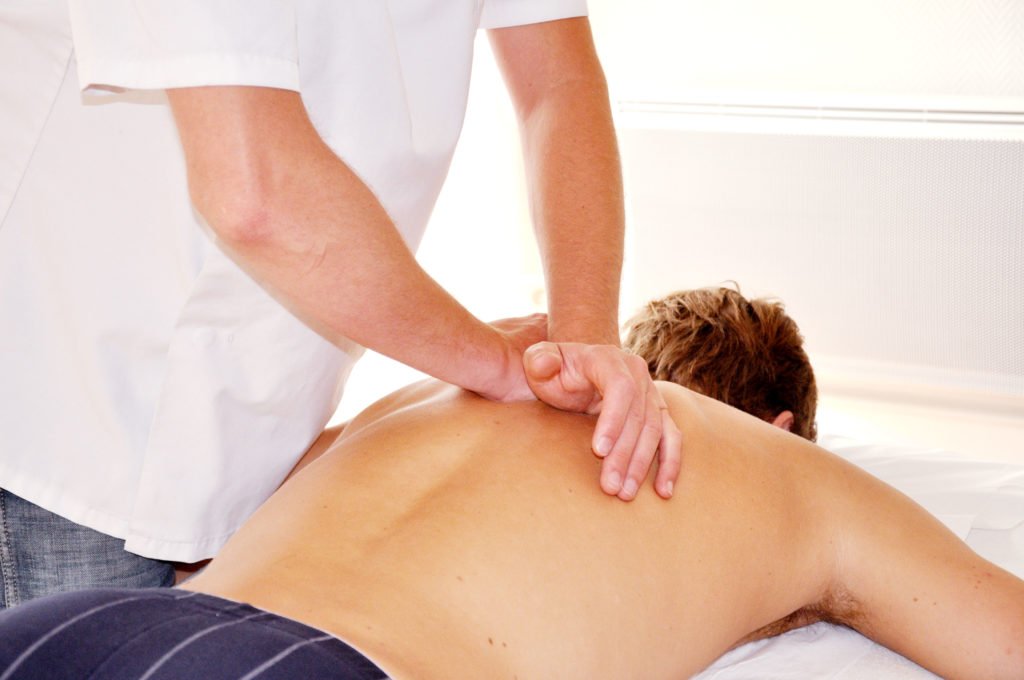
Categories
Fascial Stretch Therapy in Kenya

Fascial Stretch Therapy in Kenya

Fascial Stretch Therapy in Kenya: The Complete Guide to Pain-Free, Freer Movement

Fascial Stretch Therapy in Kenya | FST in Nairobi — Trigger Point Fascia Wellness Discover Fascial Stretch Therapy (FST) in Nairobi, Kenya. Improve mobility, relieve stiffness, decompress joints, and move pain-free. Book at Trigger Point Fascia Wellness — Parklands, Nairobi.


If your stretching routine never seems to make a difference, if your joints feel permanently tight no matter how much you foam-roll, or if old injuries keep flaring up, the problem may not be your muscles at all. It may be your fascia — the connective tissue web that wraps and links every muscle, joint, tendon, and nerve in your body.

Fascial Stretch Therapy (FST) is one of the most effective and most underused tools for releasing that tissue, and it’s available right here in Nairobi at Trigger Point Fascia Wellness. As one of the leading fascial stretch therapy and assisted stretching clinics in Kenya, we help runners, gym-goers, desk workers, and people living with chronic pain move freely again.

This complete guide explains what Fascial Stretch Therapy is, how it works, who benefits from it, the science behind your fascia, and exactly what to expect from a session in Nairobi — so you can decide whether FST is the missing piece in your recovery, mobility, or pain-relief routine.


Quick Summary

  • What it is: A table-based, therapist-assisted stretching technique that targets the fascia and joint capsule, not just muscle.
  • What it does: Improves flexibility, decompresses joints, reduces chronic stiffness, lowers injury risk, and restores natural movement.
  • Who it’s for: Athletes, gym-goers, weekend warriors, desk workers, injury recovery, and anyone with tight muscles or stiff joints.
  • Where: Trigger Point Fascia Wellness — Doctors Park, 5th Floor, 3rd Avenue, Parklands, Nairobi, Kenya.
  • Cost: Sessions from KES 6,000.

What Is Fascial Stretch Therapy?

Fascial Stretch Therapy is a table-based, practitioner-assisted stretching technique that targets the fascia — the continuous network of connective tissue surrounding your muscles, joints, tendons, and nerves. Rather than stretching one muscle in isolation, FST works with the body’s interconnected tissue system, gently lengthening and decompressing it to restore natural, efficient movement.

The key word is assisted. You lie comfortably on a treatment table while a trained fascial stretch therapist moves your limbs and joints through carefully controlled ranges of motion. Because you stay relaxed and the therapist controls the movement, the stretch reaches connective tissue that you simply can’t access on your own — and does it safely, without the strain or guesswork of self-stretching.

This is what makes assisted stretching and FST fundamentally different from the stretching most people already do at home or in the gym.


Understanding Your Fascia: The Science in Simple Terms

Fascia is a thin, tough, flexible sheet of connective tissue that surrounds and connects every structure in your body. Think of it as a continuous, three-dimensional web — when one area becomes tight, restricted, or scarred, the tension can pull on areas far away from the original problem.

Several things cause fascia to become stiff and “stuck”:

  • Repetitive movement from training or sport
  • Long hours of sitting at a desk or in a car
  • Past injuries and scar tissue that never fully released
  • Dehydration and inactivity, which make fascia less pliable
  • Chronic stress, which keeps tissue in a guarded, tightened state

When fascia loses its glide and elasticity, you feel it as stubborn stiffness, reduced range of motion, recurring soreness, and a sense that you “can’t quite loosen up.” Fascial Stretch Therapy targets this tissue directly — which is why it often succeeds where conventional stretching and foam rolling fall short.


How FST Differs From Ordinary Stretching

Static stretching — holding a hamstring stretch on the floor, for example — pulls on a single muscle and often triggers a protective tightening response. It can help, but its effects are limited and short-lived.

Fascial Stretch Therapy takes a wider, smarter approach:

  • It targets connective tissue, not just muscle. Tightness frequently lives in the fascia and around the joint capsule, not only in the muscle belly. FST addresses the whole system.
  • It decompresses joints. Gentle traction creates space within tight, compressed joints, reducing stiffness and improving range of motion.
  • It works with your nervous system. Because you stay relaxed and the therapist controls the pace, your body releases tension rather than guarding against it.
  • It restores movement patterns. Training, injury, and long hours at a desk distort how you move. FST helps re-establish the natural patterns your body has lost.

The result is mobility that feels effortless rather than forced.

FST vs. Static Stretching vs. Foam Rolling

FeatureFascial Stretch TherapyStatic StretchingFoam Rolling
Targets fascia & joint capsuleYesLimitedPartially
Decompresses jointsYesNoNo
Practitioner-assistedYesNoNo
Tailored to your bodyYesNoNo
Restores movement patternsYesMinimalMinimal
Relaxing & low-strainYesVariableOften uncomfortable

The Benefits of Fascial Stretch Therapy

Regular FST sessions can deliver a range of measurable improvements for both athletes and non-athletes in Nairobi:

  • Dramatically improved joint mobility and flexibility — move through fuller, freer ranges of motion
  • Reduced chronic stiffness — release the tightness that foam rolling and static stretching never quite reach
  • Joint decompression — relieve compressed, achy joints and the discomfort that comes with them
  • Lower injury risk — more elastic, resilient tissue is less prone to strains and tears
  • Better athletic performance — efficient movement means more power with less wasted effort
  • Faster recovery — looser, well-circulated tissue bounces back quicker after hard training
  • Relief from posture-related tension — counteract the effects of desk work and repetitive training
  • Improved circulation — better blood flow supports tissue health and recovery
  • Stress relief and relaxation — the calming, controlled pace helps down-regulate a tense nervous system

Whether you’re chasing a personal best or simply want to move through your day without nagging tightness, FST meets you where you are.


Who Is Fascial Stretch Therapy For?

One of the biggest misconceptions about FST is that it’s only for elite athletes. In reality, fascial stretch therapy in Kenya is for anyone who wants to move and feel better. You’ll benefit if you are:

  • A runner, cyclist, swimmer, or endurance athlete looking to recover faster and move more efficiently
  • A footballer, rugby, basketball, or tennis player wanting to protect your joints and stay in the game
  • A gym-goer, CrossFit athlete, or weightlifter struggling with restricted mobility
  • Recovering from a sports injury or muscle strain and trying to restore lost range of motion
  • Living with chronic back, neck, hip, or shoulder tightness
  • Experiencing joint stiffness, recurring soreness, or limited flexibility
  • Dealing with posture-related tension from long desk hours and screen time
  • An older adult who wants to stay mobile, balanced, and independent
  • Someone who simply feels stiff, restricted, or “tight all over” and wants relief

If you move your body — or wish you could move it more freely — FST is for you.


Common Problems Fascial Stretch Therapy Helps With

People across Nairobi come to us for FST to address issues such as:

  • Tight, restricted hamstrings, hips, and lower back
  • Forward head posture, rounded shoulders, and “tech neck” from desk work
  • Stiff shoulders and limited overhead reach
  • Recurring tightness that returns no matter how much you stretch
  • Reduced range of motion after an old injury
  • Joint stiffness that interferes with squatting, running, or lifting
  • General loss of flexibility with age or inactivity

Because fascia is interconnected, releasing one restricted area often brings relief to others — which is why many clients notice improvements beyond the spot they came in for.


What to Expect in a Session

At Trigger Point Fascia Wellness, Fascial Stretch Therapy isn’t a one-size-fits-all routine. Here’s how a typical session in our Parklands clinic unfolds:

  1. Assessment. Every session begins with a brief physical assessment of your movement patterns, tension areas, pain points, and training load.
  2. Tailored stretching. Based on that assessment, your therapist tailors the stretching to what your body actually needs that day — never a generic template.
  3. Gentle, assisted movement. You lie on a padded table while the therapist uses gentle traction and controlled movement to ease your joints and tissue through their ranges. There’s no aggressive pulling and no pain.
  4. Aftercare guidance. Your therapist may recommend simple self-care, mobility drills, or a follow-up rhythm to maintain your results.

You stay fully clothed in comfortable, flexible clothing throughout. Most people describe the experience as deeply relaxing, finishing the session feeling looser, taller, and noticeably more mobile.

FST is often combined with sports and medical massage and postural alignment for a complete soft-tissue treatment, but it can also stand on its own as a focused mobility and recovery therapy.


How Often Should You Book?

The ideal frequency depends on your goals:

  • For maintenance during active training: every 2–4 weeks keeps your tissue supple and your movement efficient.
  • For chronic stiffness or heavy training blocks: weekly sessions deliver the fastest, most lasting results.
  • For injury recovery: your therapist will recommend a tailored schedule based on your stage of healing.

Your therapist will recommend a rhythm based on your body, your activity level, and how you respond to the work.


How to Prepare for Your FST Session

A few simple steps help you get the most from your appointment:

  • Hydrate well before and after — well-hydrated fascia is more pliable.
  • Wear comfortable, flexible clothing you can move freely in, similar to gym wear.
  • Avoid a heavy meal right before your session.
  • Arrive a few minutes early so you can settle in and complete your assessment unhurried.
  • Share your goals and history — tell your therapist about any injuries, pain, or specific stiffness so the session can be tailored to you.

Why Choose Trigger Point Fascia Wellness?

We are Nairobi’s specialist fascial and soft tissue therapy clinic. That focus matters: Fascial Stretch Therapy isn’t a side service tacked onto a spa menu here — it’s our core expertise.

Our therapists are trained in advanced fascial anatomy, chronic pain management, and sports rehabilitation, giving you a clinical depth you won’t find at a standard wellness spa or gym massage service. Combined with our assessment-based, tailored approach, that means every stretch you receive is purposeful and calibrated to your body — never a generic template.

What sets us apart:

  • Specialist focus on fascia and soft-tissue therapy
  • Assessment-based, individualised treatment every visit
  • Clinically trained therapists in fascial anatomy and rehabilitation
  • A complete system that can combine FST with sports massage and postural alignment
  • Central Nairobi location in Parklands, easily accessible across the city

In short: this is clinical bodywork designed to make you better, not just to make you feel good for an hour.


Frequently Asked Questions

Is Fascial Stretch Therapy painful? No. FST is gentle and relaxing. The therapist works within your comfortable range and uses traction rather than force, so most people find it soothing rather than uncomfortable.

Do I need to be flexible to start? Not at all. FST is especially valuable for people who feel stiff and restricted. Improving that flexibility is exactly what it’s designed to do.

How is FST different from a sports massage? Sports massage uses pressure to work directly into muscles and soft tissue, while FST uses assisted movement and traction to lengthen fascia and decompress joints. They complement each other beautifully, which is why we often combine them.

What should I wear? Comfortable, flexible clothing you can move in — similar to what you’d wear to the gym. You stay clothed throughout the session.

How long is a session? Sessions are structured around a focused treatment window, beginning with assessment and moving into tailored stretching. Your therapist will confirm timing when you book.

Is it only for athletes? No. While athletes love FST, it benefits anyone with stiffness, posture-related tension, recovering injuries, or limited mobility — regardless of fitness level.

Should I do FST before or after training? Both work. Before training, it primes your joints and tissue for movement; after training, it helps you recover and release built-up tension. Your therapist will advise based on your goals.

How much does Fascial Stretch Therapy cost in Nairobi? Sessions at Trigger Point Fascia Wellness start from KES 6,000.

How soon will I notice results? Many people feel looser and more mobile immediately after their first session. Lasting change in chronic stiffness usually builds over a series of sessions.


Book Your Fascial Stretch Therapy Session in Nairobi

Ready to experience freer, pain-free movement? Visit Kenya’s specialist fascial therapy clinic and discover what your body feels like when your tissue moves the way it’s meant to.

📍 Location Doctors Park, 5th Floor, 3rd Avenue, Parklands, Nairobi, Kenya

📞 Phone / WhatsApp +254 726 414 516

✉️ Email info@triggerpointfascia.com

🕒 Business Hours Monday–Friday: 8:00 AM – 7:00 PM Saturday: 9:00 AM – 5:00 PM Sunday: Closed

💰 Sessions from KES 6,000

Trigger Point Fascia Wellness — Nairobi’s specialist clinic for fascial stretch therapy, assisted stretching, sports therapy, and medical massage in Kenya.

Categories
Medical Massage Services in Kenya

Sports Therapy & Medical Massage in Nairobi

Sports Therapy & Medical Massage in Nairobi — Recovery, Pain Relief & Postural Alignment

From KES 6,000 per session | Nairobi, Kenya | Trigger Point Fascia Wellness

Training hard but recovering slowly? Living with chronic pain, tight muscles, nagging injuries, or poor posture that’s quietly affecting how you move and perform? Our combined sports therapy and medical massage in Nairobi treats the cause of your pain and stiffness — not just the symptoms.

This is clinical bodywork, not a spa rub-down. In one focused 60-minute session, you get three powerful therapies in one structured, results-driven treatment: sports massage, fascial stretch therapy, and postural alignment — combining the best of sports therapy and medical massage to get you moving freely and pain-free.

👉 Book your session in Nairobi — or WhatsApp +254 726 414 516.

Sports Therapy & Medical Massage: What’s the Difference — and Why You Need Both

Medical massage therapy is a clinically focused treatment that targets a specific condition — chronic pain, injury, restricted movement, or postural strain. Sports therapy applies that same clinical mindset to athletic performance, recovery, and injury prevention.

At Trigger Point Fascia Wellness, we blend the two. Whether your goal is to recover from a marathon, resolve stubborn back or neck pain, or fix the posture problems caused by desk work and training, every technique we use is purposeful, assessment-based, and tailored to how your body actually moves.

In short: a spa massage makes you feel good for an hour. Sports therapy and medical massage make you better.

What’s Included in This Session

This isn’t a single technique — it’s a complete sports therapy and medical massage system delivered in one visit.

1. Sports & Medical Massage

Our sports massage and medical massage in Nairobi uses deep, targeted pressure to treat muscles and soft tissue under stress from training, injury, or daily strain. It works to:

  • Break down muscle adhesions, knots, and scar tissue
  • Improve blood flow and oxygen delivery to muscles
  • Reduce delayed onset muscle soreness (DOMS)
  • Speed up recovery after intense training or competition
  • Relieve chronic pain in the back, neck, shoulders, and limbs
  • Prime muscles for peak performance before an event

This is clinical bodywork used by athletes and pain sufferers alike — from weekend joggers to people with long-standing tension — to keep muscles healthy, supple, and pain-free.

2. Fascial Stretch Therapy (FST)

Fascial Stretch Therapy in Nairobi is a table-based, assisted stretching technique that targets your fascia — the connective tissue network surrounding your muscles, joints, tendons, and nerves. Unlike static stretching, FST:

  • Dramatically improves joint mobility and flexibility
  • Decompresses tight joints and reduces chronic stiffness
  • Restores natural movement patterns disrupted by training or injury
  • Lowers injury risk by improving tissue elasticity
  • Enhances performance through freer, more efficient movement

FST is one of the most effective — and most underused — tools in both sports therapy and medical massage in Kenya.

3. Postural Alignment

Repetitive training, long desk hours, and imbalanced movement gradually pull the body out of alignment, leading to chronic pain, reduced performance, and higher injury risk. Our postural alignment component:

  • Identifies and corrects muscular imbalances
  • Addresses forward head posture, rounded shoulders, and anterior pelvic tilt
  • Reduces strain on joints, ligaments, and overworked muscles
  • Supports long-term athletic health and pain-free movement

Who Is This For?

This sports therapy and medical massage bundle is ideal if you are:

  • A runner, cyclist, swimmer, or endurance athlete
  • A footballer, rugby, basketball, or tennis player
  • A gym-goer, CrossFit athlete, or weightlifter
  • Recovering from a sports injury or muscle strain
  • Living with chronic back, neck, or shoulder pain
  • Experiencing tight muscles, joint stiffness, or recurring soreness
  • Dealing with posture-related pain from desk work or training
  • Looking to prevent injuries and relieve pain at the source

If you move your body regularly — or simply want to live without pain — this session is for you.

Key Benefits of Sports Therapy & Medical Massage

BenefitWhat It Means For You
Targeted pain reliefTreats the cause, not just the symptom
Faster muscle recoveryTrain harder, more often, with less downtime
Improved flexibilityMove more freely and reduce injury risk
Better postureLess chronic pain and better biomechanics
Injury preventionStay on the field, track, or gym floor longer
Performance optimisationGet more from every training session
Reduced muscle sorenessFeel better 24–48 hours after intense effort

Why Book at Trigger Point Fascia Wellness?

We are Nairobi’s specialist fascial and soft tissue therapy clinic — meaning sports therapy and medical massage aren’t side services here. They’re our core expertise.

Every session begins with a brief physical assessment of your movement patterns, tension areas, pain points, and training load. So the massage, fascial stretching, and postural work are precisely calibrated to what your body needs — never a generic template.

Our therapists are trained in advanced fascial anatomy, chronic pain management, and sports rehabilitation, giving you a clinical depth you won’t find at a standard wellness spa or gym massage service.

Visit Our Clinic

📍 Location Doctors Park, 5th Floor, 3rd Avenue, Parklands, Nairobi, Kenya

📞 Phone / WhatsApp +254 726 414 516

✉️ Email info@triggerpointfascia.com

🕒 Business Hours Monday–Friday: 8:00 AM – 7:00 PM Saturday: 9:00 AM – 5:00 PM Sunday: Closed

💰 Sessions from KES 6,000

Frequently Asked Questions

What’s the difference between sports therapy and medical massage? Medical massage treats a specific condition such as chronic pain or injury, while sports therapy applies the same clinical approach to athletic recovery and performance. We combine both in one session for complete results.

How often should I book? For maintenance during active training, every 2–4 weeks works well. For chronic pain or heavy training blocks, weekly sessions deliver the fastest results.

Is this only for professional athletes? No. Anyone who exercises, lives with recurring muscle tightness or pain, or simply wants to move and feel better benefits — regardless of fitness level.

What’s the difference between this and a regular spa massage? Spa massage aims for short-term relaxation. Sports therapy and medical massage are clinical and targeted — working on specific muscles under load and structured around your body’s actual needs.

Should I book before or after training? Both work. Pre-session therapy primes muscles for performance; post-session therapy flushes metabolic waste and accelerates recovery. Your therapist will advise based on your goals.

How much does it cost? A single comprehensive session is KES 6,000 and includes sports massage, fascial stretch therapy, and postural alignment.

Where are you located and how do I book? We’re based in Doctors Park, 5th Floor, 3rd Avenue, Parklands, Nairobi. Book online at https://triggerpointfascia.com/book or message us on WhatsApp at +254 726 414 516.

Book Your Sports Therapy & Medical Massage Session in Nairobi

KES 6,000 — Single Comprehensive Session Includes: Sports & Medical Massage + Fascial Stretch Therapy + Postural Alignment.

👉 Book now  |  📞 Call +254 726 414 516  |  💬 WhatsApp +254 726 414 516

Trigger Point Fascia Wellness — Nairobi’s specialist clinic for sports therapy and medical massage.

Categories
Medical Massage Therapy in Kenya

Medical Massage Therapy in Kenya

Medical Massage Therapy in Kenya: Targeted Pain Relief at Trigger Point Fascia Wellness

If you’ve been living with stubborn back pain, a stiff neck that won’t quit, or tension headaches that return week after week, a relaxing spa rub-down may feel nice in the moment but rarely fixes the problem. Medical massage therapy in Kenya takes a different approach. It treats the cause of your pain, not just the symptom — and at Trigger Point Fascia Wellness, that’s exactly what we’re built for.

This guide explains what medical massage therapy is, how trigger point therapy and myofascial release work, the conditions they help, and what to expect when you book a session with us.

What Is Medical Massage Therapy?

Medical massage therapy is a results-driven, clinically focused form of bodywork prescribed to treat a specific condition or injury. Unlike a general relaxation massage, every technique is chosen to address a documented problem — chronic pain, restricted movement, muscle injury, or postural strain.

A session typically begins with an assessment of your pain, posture, and movement. Your therapist then applies precise, evidence-informed techniques to the structures causing your discomfort, and gives you aftercare and self-care guidance so the results last beyond the treatment table.

In short: a spa massage is designed to make you feel good. Medical massage is designed to make you better.

Medical Massage vs. Relaxation Massage: What’s the Difference?

Relaxation / Spa MassageMedical Massage Therapy
GoalStress relief, pamperingTreating a specific condition or injury
ApproachGeneral, full-body, light-to-medium pressureTargeted, assessment-based, problem-focused
OutcomeTemporary calmMeasurable, lasting pain and mobility improvement
Follow-upUsually noneTreatment plan + self-care guidance

Both have their place. But if your goal is to resolve pain rather than briefly mask it, medical massage is the right tool.

Our Specialties: Trigger Point Therapy & Myofascial Release

Our name says it plainly — we focus on the two techniques that get the deepest, most lasting results for pain and stiffness.

Trigger Point Therapy

A trigger point is a tight, hyper-irritable knot within a muscle. These knots are notorious for referred pain — meaning a knot in your shoulder can send pain shooting up into your head, or a tight hip muscle can cause discomfort that feels like it’s coming from your lower back.

Trigger point therapy uses sustained, focused pressure on these exact knots to release them, restore healthy blood flow, and switch off the pain signal at its source. It’s one of the most effective treatments available for tension headaches, “computer neck,” and unexplained aches that move around the body.

Myofascial Release

Fascia is the thin, web-like connective tissue that wraps around every muscle, bone, and organ in your body — like a continuous bodysuit beneath your skin. When fascia becomes tight, dehydrated, or stuck after injury, poor posture, or stress, it restricts movement and creates pain that ordinary massage often can’t reach.

Myofascial release uses slow, sustained pressure and gentle stretching to loosen these restrictions, freeing up the entire chain of tissue. The result is greater range of motion, reduced stiffness, and relief that feels structural rather than surface-level.

Used together, trigger point therapy and myofascial release address both the knot and the web it sits in — which is why our clients often feel a difference that other massages never delivered.

Conditions Medical Massage Therapy Can Help

At Trigger Point Fascia Wellness, clients across Kenya come to us for relief from:

  • Chronic lower back pain and sciatica-type discomfort
  • Neck and shoulder tension from desk work, driving, and screen time
  • Tension and stress headaches
  • Sports injuries and overtraining strain (runners, footballers, gym-goers)
  • Repetitive strain injuries (RSI) from typing, lifting, or manual work
  • Postural problems and “tech neck”
  • Limited range of motion and joint stiffness
  • Muscle recovery after intense training or competition
  • Stress-related muscle tension that won’t release on its own

Important: Medical massage therapy is a complement to medical care, not a replacement for it. For any new, severe, or unexplained pain, please see a doctor first. We’re glad to work alongside your physiotherapist or physician.

The Benefits of Medical Massage Therapy

  • Targeted pain relief at the source, not just temporary easing
  • Improved mobility and flexibility so you move freely again
  • Faster recovery from injury, training, and overuse
  • Better posture and reduced strain from desk-based work
  • Reduced reliance on painkillers for muscular pain
  • Improved sleep and lower stress as chronic tension releases
  • Lasting results, supported by a personalised self-care plan

What to Expect in Your Session at Trigger Point Fascia Wellness

  1. Consultation & assessment. We listen to your concerns and assess your posture, movement, and pain points to understand what’s really going on.
  2. A tailored treatment plan. No two bodies are the same, so your session is built around your condition and goals.
  3. Focused, hands-on treatment. Using trigger point therapy, myofascial release, and complementary techniques, we work precisely on the structures causing your pain. Some pressure is therapeutic — we always work within your comfort.
  4. Aftercare guidance. You leave with simple stretches and self-care tips to extend and protect your results.
  5. Progress tracking. For chronic issues, we recommend a short series of sessions and monitor your improvement along the way.

Why Choose Trigger Point Fascia Wellness in Kenya?

  • Specialists, not generalists. Trigger point and fascia work are our craft — it’s literally our name.
  • A clinical, problem-solving mindset. We assess, treat, and measure results.
  • Personalised care. Every plan is built around your body and your goals.
  • A calm, professional, and welcoming space for clients across Nairobi and beyond.
  • Convenient booking via [BOOKING LINK], WhatsApp ([WHATSAPP]), or phone ([PHONE]).

📍 Location: [ADDRESS/AREA]  |  🕒 Hours: [HOURS]  |  💰 Sessions from: [PRICE FROM]

Frequently Asked Questions

Is medical massage therapy painful? You may feel firm, focused pressure on tight areas, and trigger point work can produce a “good hurt.” It should never be unbearable — we adjust to your comfort throughout, and any temporary tenderness afterward usually settles within a day.

How many sessions will I need? It depends on your condition. Acute tension may ease in one or two sessions, while chronic, long-standing issues often respond best to a short series. We’ll recommend a realistic plan after your first assessment.

What’s the difference between medical massage and deep tissue massage? Deep tissue massage is one technique we may use. Medical massage is the broader, assessment-based approach — it combines deep tissue, trigger point therapy, myofascial release, and other methods, all chosen specifically to treat your condition.

Do I need a doctor’s referral? No referral is required to book. However, if you’re managing a diagnosed medical condition or recovering from surgery, please let us know so we can treat you safely, and we’re happy to coordinate with your healthcare provider.

Where are you located and how do I book? We’re based in [ADDRESS/AREA]. Book online at [BOOKING LINK], message us on WhatsApp at [WHATSAPP], or call [PHONE].

Can medical massage help with desk-job neck and shoulder pain? Absolutely — it’s one of the most common reasons people come to us. Long hours at a screen create predictable trigger points and fascial tightness in the neck, shoulders, and upper back, all of which respond very well to targeted treatment.

Ready to Treat the Cause of Your Pain?

You don’t have to keep living with pain that comes back every week. At Trigger Point Fascia Wellness, we’ll help you find lasting relief through focused, expert medical massage therapy.

Categories
Physiotherapy Services in Nairobi

Physiotherapy Services in Nairobi

Physiotherapy Services in Nairobi — Expert Soft Tissue, Pain & Recovery Therapy at TriggerPoint Fascia


Are you living with persistent pain, recovering from an injury, struggling with poor posture, or looking to perform better in sport? If so, you are in the right place. At TriggerPoint Fascia, we offer specialist physiotherapy services in Nairobi that go beyond standard treatment — combining advanced soft tissue therapy, myofascial release, sports massage, trigger point therapy, and postural correction into a comprehensive, results-focused approach.

Whether your problem developed gradually over years of desk work, emerged suddenly from a sports injury, or has been building quietly through chronic muscular dysfunction — our Nairobi clinic has the expertise, the techniques, and the clinical structure to help you recover fully and move well again.

We are not a general wellness spa. We are a dedicated soft tissue and fascial therapy clinic — and that specialisation is exactly what makes the difference for our clients.


What Are Physiotherapy Services — And What Can They Do for You?

Physiotherapy is a healthcare discipline focused on restoring, maintaining, and maximising physical function, movement, and quality of life. It addresses a broad range of conditions — from acute sports injuries and chronic pain to postural dysfunction and post-surgical rehabilitation.

In Nairobi, physiotherapy services have grown significantly in demand over the past decade. As the city’s workforce becomes increasingly desk-based, as sport and fitness culture expands, and as awareness of physical health grows, more and more Nairobi residents are actively seeking expert physical therapy to manage pain, correct dysfunction, and optimise how their bodies move and feel.

At TriggerPoint Fascia, our physiotherapy approach is built on a foundation of advanced soft tissue therapy and fascial anatomy. Consequently, we address not just the site of pain, but the underlying muscular, fascial, and postural dysfunctions that are generating it. This is what separates effective, lasting physiotherapy from temporary symptom management.


Our Physiotherapy Services in Nairobi

We offer a carefully structured range of specialist physiotherapy services at our Nairobi clinic. Each service is available as a standalone treatment or as part of a bundled session designed to deliver more comprehensive results in less time.


1. Sports Massage Therapy

Sports massage is one of our most sought-after physiotherapy services in Nairobi — and for good reason. It is a clinical, targeted form of massage therapy that focuses specifically on the muscles, tendons, and connective tissue stressed by physical activity, repetitive movement, and occupational strain.

Unlike relaxation massage, sports massage uses deep tissue pressure, cross-fibre friction, neuromuscular technique, and myofascial release to address the root causes of muscular dysfunction. As a result, it delivers measurable therapeutic outcomes rather than just temporary relief.

Sports massage therapy at TriggerPoint Fascia is highly effective for:

  • Delayed onset muscle soreness (DOMS) after intense training
  • Muscle adhesions and chronic tightness
  • Pre-event preparation and post-event recovery
  • Repetitive strain injuries from sport, exercise, or occupational activity
  • Maintenance therapy for athletes in active training phases

Furthermore, sports massage is not exclusively for competitive athletes. Anyone who exercises regularly — or who carries physical tension from work, commuting, or daily life — benefits significantly from regular sports massage therapy.


2. Myofascial Triggerpoint Therapy

Our Myofascial Triggerpoint Therapy service is one of the most clinically specific physiotherapy treatments we offer in Nairobi. It targets the myofascial system — the network of muscles and their surrounding connective tissue — to identify and deactivate trigger points that generate chronic pain, referred pain, and restricted movement.

A trigger point is a hyper-irritable spot within a tight band of muscle fibre. When compressed or stressed, trigger points produce both local pain and referred pain — meaning they cause discomfort in areas of the body seemingly unrelated to where the trigger point actually sits. For example, trigger points in the upper trapezius muscle commonly refer pain into the head, creating tension headaches. Similarly, trigger points in the gluteal muscles frequently refer pain down the leg in a pattern similar to sciatica.

Our Myofascial Triggerpoint Therapy bundle includes:

  • Medical massage targeting the affected muscular regions
  • Precise fascial triggerpoint release using manual pressure techniques
  • Structured chronic pain protocols designed for clients with long-standing pain patterns

This service is particularly effective for:

  • Chronic neck, shoulder, and back pain
  • Tension and cervicogenic headaches
  • Sciatic-type leg pain from gluteal trigger points
  • Jaw pain and TMJ dysfunction
  • Persistent muscle tightness that does not respond to stretching
  • Fibromyalgia-related widespread pain patterns

Because trigger point therapy addresses the actual source of pain — rather than simply managing symptoms — clients with long-standing chronic pain conditions frequently experience relief they had not found through other treatments.


3. Sports Therapy Bundle

Our Sports Therapy bundle is a comprehensive physiotherapy package that combines three powerful treatments into a single structured session. It is designed specifically for athletes, active individuals, and anyone whose physical demands — whether from sport, training, or occupation — regularly stress their musculoskeletal system.

The Sports Therapy bundle includes:

Sports Massage — deep, targeted soft tissue therapy applied to the muscles and connective tissue most stressed by your activity. Techniques include deep tissue work, neuromuscular therapy, cross-fibre friction, effleurage, and petrissage — all selected based on your individual assessment.

Fascial Stretch Therapy (FST) — a table-based, therapist-assisted stretch system that targets the fascia surrounding your muscles, joints, and nerves. FST dramatically improves joint mobility, decompresses restricted joints, restores natural movement patterns, and enhances athletic performance in ways that static stretching alone cannot achieve.

Postural Alignment — a targeted assessment and correction of the structural imbalances created by repetitive training, occupational postures, and compensatory movement patterns. Addressing postural dysfunction directly improves biomechanical efficiency and significantly reduces long-term injury risk.

The Sports Therapy bundle delivers outstanding results for:

  • Athletes in active training phases requiring regular maintenance therapy
  • Individuals recovering from sports injuries
  • People with posture-related pain from training or desk work
  • Anyone seeking to prevent injury and sustain consistent performance over time

4. Posture Correction Therapy

Poor posture is one of the most widespread and most underestimated physical health problems in Nairobi today. Prolonged desk work, excessive screen and phone use, long daily commutes, and unbalanced training patterns all contribute to postural dysfunction that — left untreated — causes chronic pain, restricted movement, and increased injury risk.

At TriggerPoint Fascia, our posture correction therapy in Nairobi takes a multi-layered approach that addresses both the tight, overactive muscles pulling the body out of alignment and the weak, inhibited muscles that are failing to hold it in place.

Our posture correction therapy is highly effective for:

  • Forward head posture from screen and phone use
  • Rounded shoulders and upper back kyphosis
  • Anterior and posterior pelvic tilt
  • Upper crossed syndrome and lower crossed syndrome
  • Chronic neck, upper back, and lower back pain linked to posture
  • Postural imbalances affecting athletic performance

Our posture correction process involves:

First, we conduct a thorough postural assessment — observing your alignment from multiple angles, assessing movement patterns, and identifying the specific dysfunctions driving your postural problems.

Next, we use myofascial release and deep tissue massage to soften and lengthen the tight muscles pulling your body out of alignment. We then deactivate the trigger points generating pain and tension in those overloaded muscles.

Following that, we apply Fascial Stretch Therapy to restore mobility to the joints and fascial chains restricted by your postural pattern. Finally, we use specific hands-on alignment techniques and targeted corrective exercises to reinforce your body’s new structural position between sessions.


5. Chronic Pain Management

Chronic pain — defined as pain lasting longer than three months — affects a significant proportion of adults in Nairobi, yet it remains one of the most poorly managed health conditions in the city. Many chronic pain sufferers cycle through medications and short-term treatments that manage symptoms without addressing the underlying physical dysfunction generating the pain.

At TriggerPoint Fascia, we take a structured, physiotherapy-based approach to chronic pain management that focuses on identifying and treating the muscular, fascial, and postural sources of your pain — rather than simply numbing it.

Our chronic pain management approach is effective for:

  • Chronic lower back pain
  • Fibromyalgia and widespread muscle pain
  • Chronic neck and shoulder pain
  • Persistent headaches linked to muscular tension
  • Long-standing hip, knee, and joint pain with a soft tissue component
  • Post-injury pain that has persisted well beyond the expected healing period

Because chronic pain almost always involves a combination of active trigger points, myofascial restrictions, and postural compensations, our multi-modal therapy approach — combining trigger point release, myofascial work, deep tissue massage, and postural correction — addresses the full complexity of the problem.


6. Injury Rehabilitation and Recovery

Recovering well from a physical injury requires more than rest. In fact, passive rest alone often allows secondary problems — muscle weakening, fascial restrictions, scar tissue formation, and postural compensations — to develop in the wake of the original injury.

Our injury rehabilitation physiotherapy services in Nairobi are designed to support complete, high-quality recovery that restores full function rather than simply reducing pain to a manageable level.

We support rehabilitation from:

  • Muscle strains and tears in the hamstrings, quadriceps, calves, and rotator cuff
  • Ligament sprains in the ankle, knee, and shoulder
  • IT band syndrome and other overuse conditions
  • Plantar fasciitis and Achilles tendon dysfunction
  • Lower back injuries including disc-related pain and facet joint dysfunction
  • Repetitive strain injuries from sport or occupational activity
  • Post-surgical soft tissue rehabilitation

Our rehabilitation approach combines hands-on soft tissue therapy — to manage scar tissue, restore mobility, and reduce pain — with structured corrective work to rebuild the strength, movement patterns, and postural alignment needed for a complete return to full activity.


Conditions We Treat at Our Nairobi Physiotherapy Clinic

Our physiotherapy services in Nairobi address a broad spectrum of musculoskeletal and movement-related conditions. The most common conditions we treat include:

Pain Conditions

  • Chronic lower back pain
  • Neck pain and cervical dysfunction
  • Shoulder pain including rotator cuff issues and frozen shoulder
  • Hip pain and gluteal dysfunction
  • Knee pain including patellofemoral syndrome
  • Headaches — tension, cervicogenic, and myofascial
  • Jaw pain and TMJ dysfunction
  • Sciatic-type leg pain from muscular trigger points
  • Widespread pain conditions including fibromyalgia

Sports and Activity Injuries

  • Hamstring strains and tears
  • IT band syndrome
  • Plantar fasciitis
  • Shin splints
  • Ankle sprains
  • Rotator cuff injuries
  • Tennis elbow and golfer’s elbow
  • Achilles tendon pain

Postural and Structural Conditions

  • Forward head posture
  • Rounded shoulders and thoracic kyphosis
  • Anterior and posterior pelvic tilt
  • Upper and lower crossed syndrome
  • Scoliosis-related muscular dysfunction
  • Leg length discrepancy compensation patterns

Occupational and Lifestyle Conditions

  • Desk worker neck, shoulder, and back pain
  • Repetitive strain injury from computer use
  • Driver lower back and hip pain
  • Tech neck and text neck
  • Stress-related muscular tension

Who Uses Our Physiotherapy Services in Nairobi?

Our clients come from all walks of life across Nairobi. However, the groups that most consistently benefit from our physiotherapy services include:

Athletes and active individuals who need regular maintenance therapy, injury management, and performance optimisation to sustain their training and competition schedules.

Office workers and professionals who develop chronic neck, shoulder, and back pain from prolonged sitting, poor workstation setups, and excessive screen use.

Students dealing with posture-related pain from long study hours, heavy bags, and excessive phone use — conditions that are increasingly common and increasingly severe among younger people in Nairobi.

Nairobi commuters who spend 2–4 hours per day in vehicles and develop lower back pain, hip tightness, and upper back tension as a result of prolonged driving postures.

People with chronic pain who have tried other treatments without lasting success and are looking for a more targeted, root-cause approach to their condition.

Post-injury individuals recovering from sports injuries, accidents, or surgical procedures who need structured hands-on therapy to restore full function.

Older adults experiencing age-related muscular decline, joint stiffness, and postural changes that affect their quality of life and independence.


What Makes TriggerPoint Fascia Different from Other Physiotherapy Clinics in Nairobi?

Nairobi has a growing number of physiotherapy and wellness providers. However, TriggerPoint Fascia stands apart from the majority in several important ways.

We specialise in soft tissue and fascial therapy Most physiotherapy clinics offer a broad generalist service. At TriggerPoint Fascia, our entire clinical focus is on the soft tissue and fascial system. As a result, we bring a level of depth and expertise to myofascial release, trigger point therapy, and fascial stretch therapy that generalist providers simply cannot match.

We treat causes, not just symptoms Many physiotherapy approaches focus on managing pain at the site where it is felt. We focus instead on identifying and treating the underlying muscular, fascial, and postural dysfunctions that are generating the pain. Consequently, our clients experience more lasting results rather than repeated short-term relief cycles.

Every session is hands-on We do not hand you a sheet of exercises and send you home. Instead, every session involves active, skilled, hands-on therapy that produces immediate and tangible change in how your body feels and moves. Corrective exercises are given as a support tool — not as the primary treatment.

We assess before we treat Every client receives a brief but thorough assessment at the start of each session. Because no two bodies are the same, this ensures your treatment is precisely calibrated to your current condition, your goals, and how your body has been responding to previous sessions.

We combine multiple modalities in one session Rather than applying a single technique and hoping it is enough, our bundled service approach means your body receives a comprehensive intervention — deep tissue work, trigger point release, fascial stretching, and postural correction — all within a single structured session.


What to Expect at Your First Session

If you are booking physiotherapy services at TriggerPoint Fascia in Nairobi for the first time, here is what you can expect:

On arrival, your therapist will take a brief history of your current complaint, your physical activity level, any relevant past injuries, and your specific goals for therapy.

Assessment follows next. Your therapist will observe your posture, assess relevant movement patterns, and identify the specific areas of muscular dysfunction, fascial restriction, and postural imbalance contributing to your problem.

Treatment then begins based on the assessment findings. Depending on your presentation, this will involve a combination of deep tissue massage, myofascial release, trigger point therapy, fascial stretching, and postural alignment work.

After your session, your therapist will give you clear, practical guidance on what to do between sessions — including any targeted home exercises, stretches, or lifestyle adjustments that will support and accelerate your progress.

Most clients leave their first session feeling noticeably different — lighter, freer, and with a clearer understanding of what has been causing their problem and how to fix it.


Frequently Asked Questions — Physiotherapy Services Nairobi

What physiotherapy services do you offer in Nairobi?

At TriggerPoint Fascia, we offer sports massage therapy, myofascial triggerpoint therapy, sports therapy bundles, posture correction therapy, chronic pain management, and injury rehabilitation. All services are grounded in advanced soft tissue and fascial therapy techniques.

How much do physiotherapy services cost in Nairobi?

Our services are priced at KES 5,500 for Myofascial Triggerpoint Therapy and KES 6,000 for our Sports Therapy bundle. These prices reflect the comprehensive, multi-modal nature of our sessions — each of which combines multiple specialist techniques into a single structured treatment.

How many sessions will I need?

This depends on the nature and duration of your condition. Acute injuries and recent postural problems often show significant improvement within 4–6 sessions. Chronic conditions that have been present for years typically require 8–15 sessions for comprehensive resolution. Your therapist will give you a clear recommendation after your initial assessment.

Do I need a doctor’s referral to book physiotherapy in Nairobi?

No. You can book directly with TriggerPoint Fascia without a referral. However, if you have a complex medical history or a recent surgical procedure, we recommend informing your therapist in full detail during the initial assessment.

Is physiotherapy covered by health insurance in Kenya?

Many health insurance providers in Kenya include physiotherapy within their outpatient benefits. We recommend checking your policy details or contacting your insurer directly to confirm coverage and the claims process before booking.

What should I wear to my physiotherapy session?

Wear comfortable, loose clothing that allows access to the areas being treated. Shorts are ideal for lower body work. For upper body treatment, a vest or loose shirt works well. Your therapist will ensure your comfort and modesty throughout the session.

Can physiotherapy help with chronic pain that has not improved elsewhere?

Yes — frequently. Chronic pain that has not responded to medication, general physiotherapy, or other treatments often has an unaddressed myofascial and trigger point component. Our specialist soft tissue approach directly targets these sources of chronic pain and produces results in cases where other approaches have plateaued.


Book Your Physiotherapy Session in Nairobi Today

Living with pain, restricted movement, or postural dysfunction is not something you simply have to accept. With the right physiotherapy services in Nairobi, these conditions are treatable — and in most cases, highly correctable.

At TriggerPoint Fascia, we combine clinical expertise, advanced soft tissue techniques, and a genuine commitment to your long-term outcomes. Whether you need sports massage, trigger point therapy, posture correction, or comprehensive injury rehabilitation, we have the skills and the approach to help you recover fully and move well again.

Take the first step today — your body will thank you.

👉 Book Your Session Now 👉 Explore All Services


TriggerPoint Fascia — Nairobi’s Specialist Soft Tissue & Fascial Therapy Clinic epicfinconsulting.com/

Categories
Posture Correction Nairobi

Posture Correction Nairobi

Posture Correction Nairobi — Expert Postural Alignment Therapy at TriggerPoint Fascia


Do you spend most of your day sitting at a desk, hunching over a laptop, or looking down at your phone? If so, you are not alone. Poor posture has become one of the most widespread physical complaints among working adults in Nairobi — and in most cases, it is entirely correctable with the right therapy.

At TriggerPoint Fascia, we offer specialist posture correction therapy in Nairobi that goes far beyond generic advice about sitting up straight. Instead, we use hands-on, clinically structured treatments — including postural alignment, myofascial release, deep tissue massage, and trigger point therapy — to identify and fix the root causes of your postural dysfunction.

Whether you are dealing with a stiff neck, rounded shoulders, persistent lower back pain, or recurring headaches linked to your posture, our team can help you stand taller, move better, and live with significantly less pain.


What Is Poor Posture — And Why Does It Matter?

Posture refers to the way your body holds itself during movement and at rest. Good posture means your bones and joints are properly aligned, your muscles work efficiently, and your body distributes load evenly across its structures. Poor posture, on the other hand, forces certain muscles to overwork while others weaken and switch off — creating a cycle of tension, pain, and dysfunction that gets worse over time if left untreated.

Furthermore, poor posture is not simply a cosmetic issue. Research consistently links postural dysfunction to a wide range of physical health problems, including chronic neck and back pain, tension headaches, reduced lung capacity, digestive discomfort, joint degeneration, and nerve compression.

In Nairobi, the rise of desk-based office work, long daily commutes, and increased screen time means that postural problems are developing faster — and at younger ages — than ever before. However, the good news is that with the right postural correction therapy, most of these problems are highly treatable.


Common Causes of Poor Posture in Nairobi

Understanding what causes your postural problems is the first step towards fixing them. In our clinical experience at TriggerPoint Fascia, the most common causes we see among Nairobi clients include:

Prolonged sitting and desk work Sitting for long periods — especially in poorly set-up workstations — is one of the leading drivers of postural dysfunction in Nairobi. Over time, sitting shortens the hip flexors, weakens the glutes, tightens the chest muscles, and causes the upper back to round forward into a hunched position.

Excessive screen and phone use Looking down at a phone or forward at a screen for hours every day gradually pulls the head forward of its natural position over the spine. This condition — known as forward head posture — adds enormous stress to the neck and upper back. Specifically, for every inch the head moves forward, it effectively doubles the load on the cervical spine.

Muscle imbalances from exercise Unbalanced training programmes that overdevelop certain muscle groups while neglecting others create postural distortions. For example, heavily training the chest without equally working the upper back pulls the shoulders forward. Similarly, strong quadriceps without equally strong hamstrings and glutes contribute to anterior pelvic tilt.

Previous injuries and compensations When the body sustains an injury — even a minor one — it develops compensatory movement patterns to protect the injured area. Unfortunately, these compensations often persist long after the injury heals, embedding postural distortions that become chronic over time.

Stress and psychological tension Chronic stress causes people to habitually tense their shoulders, clench their jaw, and tighten their neck and upper back muscles. Over time, this constant tension reshapes posture, particularly in the upper body.

Poor sleep positioning Sleeping on an unsuitable mattress or in positions that twist the spine puts the body into prolonged postural stress for hours at a time. As a result, people often wake up with stiffness and pain that accumulates over months and years.


Signs You May Need Posture Correction Therapy in Nairobi

Many people live with postural dysfunction for years without recognising it as the source of their symptoms. Here are the most common signs that poor posture is affecting your health and quality of life:

  • Persistent neck stiffness or pain, especially after sitting or screen use
  • Rounded, hunched, or pulled-forward shoulders
  • Recurring tension headaches or headaches at the base of the skull
  • Chronic upper, mid, or lower back pain
  • A head that sits visibly forward of your shoulders when viewed from the side
  • One shoulder sitting noticeably higher than the other
  • Tight, shortened hip flexors and a forward-tilting pelvis
  • Knee pain, flat feet, or hip problems linked to misalignment
  • Difficulty standing straight for extended periods
  • Fatigue and reduced energy linked to inefficient movement and breathing
  • Numbness or tingling in the arms or hands from nerve compression in the neck

If you recognise two or more of these signs, postural correction therapy at our Nairobi clinic can make a significant and lasting difference.


The Most Common Postural Dysfunctions We Treat

At TriggerPoint Fascia in Nairobi, we regularly treat the following postural conditions:

Forward Head Posture

This is arguably the most common postural problem in modern life. Forward head posture occurs when the head drifts forward of its natural alignment above the shoulders — typically as a result of prolonged screen use or phone use. It creates chronic tension in the neck, upper back, and shoulders, and is a leading cause of tension headaches and cervicogenic (neck-related) headaches.

Rounded Shoulders (Kyphosis)

Rounded shoulders develop when the chest muscles become tight and shortened while the upper back muscles weaken and lengthen. The result is a rounded, hunched appearance in the upper back. In addition to its visual impact, this posture restricts breathing, compresses the shoulder joints, and increases the risk of rotator cuff injuries.

Anterior Pelvic Tilt

Anterior pelvic tilt occurs when the front of the pelvis drops forward and the back of the pelvis rises — creating an exaggerated arch in the lower back. It is very common among people who sit for long periods, as prolonged sitting tightens the hip flexors and weakens the glutes. Consequently, it is a major contributor to chronic lower back pain and hip discomfort.

Posterior Pelvic Tilt

The opposite of anterior pelvic tilt, posterior pelvic tilt flattens the natural curve of the lower back. It is common in people with tight hamstrings and weak hip flexors. Over time, it contributes to lower back pain, reduced athletic performance, and difficulty with movements like squatting and bending.

Scoliosis-Related Postural Issues

While structural scoliosis requires specialist medical management, many people have a functional lateral curvature of the spine — often caused by muscle imbalances, leg length differences, or habitual one-sided postures. Our postural therapy significantly reduces the muscular tension and compensatory patterns associated with these conditions.

Upper Crossed Syndrome

Upper crossed syndrome describes a specific pattern of muscle imbalance in the upper body — tight chest and neck muscles crossing with weak deep neck flexors and lower trapezius muscles. It produces the classic desk-worker posture: head forward, shoulders rounded, and upper back hunched.

Lower Crossed Syndrome

Lower crossed syndrome involves tight hip flexors and lower back muscles crossing with weak abdominals and glutes. It produces an exaggerated lower back arch, a protruding abdomen, and is one of the most common patterns we see in Nairobi office workers and athletes alike.


Our Posture Correction Approach at TriggerPoint Fascia

Unlike generic physiotherapy that focuses only on exercises, our posture correction approach at TriggerPoint Fascia in Nairobi is hands-on, multi-modal, and clinically structured. We combine several specialist therapies to address both the symptoms and the root causes of your postural dysfunction.

Step 1 — Postural Assessment

Every posture correction journey at our clinic begins with a thorough assessment. We observe your standing posture from the front, back, and side. We assess your movement patterns, identify areas of tightness and weakness, and map out the specific dysfunctions driving your postural problems.

This assessment is critical because posture correction is not one-size-fits-all. Two clients with rounded shoulders may have completely different underlying causes — and therefore require different treatment approaches.

Step 2 — Myofascial Release and Deep Tissue Massage

Once we identify the tight, overactive muscles contributing to your postural dysfunction, we use myofascial release and deep tissue massage to soften and lengthen them. For example, in a client with forward head posture and rounded shoulders, we focus deeply on the chest, anterior shoulder, and neck muscles that are pulling the body out of alignment.

Releasing these tight tissues is a fundamental first step because even the best corrective exercises will not hold if the underlying muscular restrictions remain in place.

Step 3 — Trigger Point Therapy

Many postural dysfunctions involve active trigger points — hyper-irritable spots within tight muscle bands that cause both local and referred pain. These trigger points often develop in the muscles most overloaded by poor posture, such as the upper trapezius, levator scapulae, and suboccipital muscles.

By deactivating these trigger points with precise manual pressure, we directly reduce the pain and muscular tension that your postural problems are generating — often providing rapid and significant relief.

Step 4 — Fascial Stretch Therapy

After releasing tight muscles and trigger points, we use Fascial Stretch Therapy (FST) to restore mobility to the joints and fascial chains restricted by your postural pattern. FST targets the connective tissue network — the fascia — that surrounds your muscles, joints, and nerves throughout the body.

Because fascia forms interconnected chains from head to foot, restrictions in one area often pull on distant structures. As a result, addressing the full fascial chain produces far more lasting postural improvements than working on isolated muscles alone.

Step 5 — Postural Alignment and Corrective Work

In the final stage of each session, we guide your body back towards its optimal structural alignment. We use specific hands-on techniques to reposition joints, activate underused muscles, and reinforce the neuromuscular patterns your body needs to maintain good posture between sessions.

We also give you simple, targeted home exercises to support and accelerate your progress. Importantly, these are always personalised based on your specific postural pattern — not generic exercises copied from a leaflet.


How Long Does Posture Correction Take?

This is one of the most common questions we receive at our Nairobi clinic, and the honest answer is: it depends on how long the dysfunction has been present and how consistently you engage with therapy.

As a general guide:

  • Recent postural problems (under 6 months): Most clients notice significant improvement within 4–6 sessions.
  • Moderate postural dysfunction (6 months to 2 years): An 8–12 session programme typically produces substantial, lasting change.
  • Long-standing postural dysfunction (2+ years): Deeper patterns require 12–20 sessions to fully address. However, most clients in this group feel meaningful improvement from as early as sessions 3 or 4.

It is also important to understand that posture correction is a process, not a one-session fix. The body developed its current postural pattern over months or years. Therefore, retraining it requires consistent therapeutic input combined with daily habits that reinforce the changes.


Who Needs Posture Correction Therapy in Nairobi?

Our posture correction services are beneficial for a broad range of people across Nairobi. In particular, the following groups see consistent and significant results:

Office workers and remote workers If you spend 6 or more hours per day sitting at a desk or working on a laptop, you are developing postural dysfunction whether you feel it yet or not. Proactive posture correction therapy prevents the accumulation of postural damage before it becomes painful.

Students Long hours studying, using laptops, and looking at phones make students particularly vulnerable to forward head posture, rounded shoulders, and upper back pain. Moreover, addressing these issues early prevents them from becoming lifelong conditions.

Athletes and gym-goers Postural imbalances reduce athletic performance, limit range of motion, and significantly increase injury risk. As a result, many athletes in Nairobi come to us specifically to correct the movement inefficiencies that are holding their performance back or causing recurring injuries.

Drivers and commuters Nairobi’s notorious traffic means that many residents spend 2–4 hours per day sitting behind a wheel. This prolonged position tightens the hip flexors, compresses the lower back, and rounds the upper back — creating a near-identical postural pattern to desk work.

Parents and caregivers Repeatedly lifting, carrying, and bending over children and dependents creates asymmetrical loading patterns and postural strain, particularly in the lower back and shoulders.

People recovering from injuries As previously mentioned, injuries commonly leave postural compensations in their wake. Therefore, posture correction is often an important component of complete injury rehabilitation.


Posture Correction vs Physiotherapy — What Is the Difference?

Many people in Nairobi search for posture correction physiotherapy — and it is worth clarifying how our approach at TriggerPoint Fascia compares.

Traditional physiotherapy for posture typically focuses primarily on exercise prescription: identifying weak muscles and giving you a home programme to strengthen them. This is valuable, but it often overlooks the tight, overactive muscles and fascial restrictions that are equally responsible for the postural pattern.

At TriggerPoint Fascia, we take a more comprehensive approach. We combine hands-on manual therapy — myofascial release, trigger point therapy, deep tissue massage, and fascial stretch therapy — with postural assessment and corrective work. Consequently, we address the full picture: releasing what is tight, activating what is weak, and restoring the fascial mobility that holds structural change in place.

The result is faster progress, longer-lasting outcomes, and a more complete resolution of the postural dysfunction.


Posture Correction at Home — Supporting Your Therapy Between Sessions

While hands-on therapy is the most powerful tool for correcting entrenched postural dysfunction, what you do between sessions matters enormously. Here are the most effective habits to support your posture correction therapy in Nairobi:

Set up your workspace properly Your screen should sit at eye level, your feet flat on the floor, and your hips and knees at 90 degrees. Additionally, your keyboard and mouse should allow your shoulders to relax — not hunch up towards your ears.

Take regular movement breaks Stand up and move for at least 2–3 minutes every 45–60 minutes of sitting. Even a short walk to get water resets the muscular tension that builds during prolonged sitting.

Strengthen your posterior chain The glutes, lower and mid trapezius, and deep neck flexors are chronically weak in most people with poor posture. Simple exercises like glute bridges, face pulls, and chin tucks — done consistently — make a significant difference.

Stretch your hip flexors and chest daily A simple hip flexor stretch held for 60–90 seconds on each side, combined with a doorway chest stretch, directly counteracts the two most common tight muscle patterns associated with desk-based postural dysfunction.

Be mindful of your phone use Bring your phone up to eye level rather than looking down at it. Furthermore, take regular breaks from prolonged phone use to give the neck muscles a chance to recover.

Sleep in a neutral position A supportive pillow that keeps your neck in a neutral position — not too high or too flat — makes a meaningful difference to morning stiffness and the cumulative postural load on your cervical spine.


Why Choose TriggerPoint Fascia for Posture Correction in Nairobi?

There are several physiotherapy and wellness clinics in Nairobi offering posture-related services. However, here is why clients consistently choose TriggerPoint Fascia:

  • Specialist soft tissue expertise — Posture correction is not a side service for us. Our entire clinical focus is on soft tissue and fascial therapy, which means we bring a deeper level of expertise to postural dysfunction than a general wellness provider.
  • Hands-on, multi-modal treatment — We do not simply hand you a sheet of exercises. Instead, every session involves active, hands-on therapy that produces immediate and tangible change in how your body feels and moves.
  • Personalised assessment — We assess your specific postural pattern before designing your treatment plan. As a result, your sessions address your individual dysfunction — not a generic template.
  • Fascial specialisation — Our expertise in myofascial release and fascial stretch therapy means we address the connective tissue component of postural dysfunction that most other clinics overlook entirely.
  • Integrated approach — We combine therapy with practical education, giving you the knowledge and tools to maintain your posture improvements independently between sessions.
  • Accessible Nairobi location — Our clinic is conveniently located for clients across Nairobi, making it easy to maintain a consistent treatment schedule.

Frequently Asked Questions — Posture Correction Nairobi

Can poor posture be permanently corrected?

Yes — in most cases, poor posture is fully correctable with consistent therapy and supportive daily habits. The body is highly adaptable. Just as it learned its current postural pattern, it can learn a new one. However, this requires regular therapeutic input and a commitment to the home habits that reinforce the changes between sessions.

How many sessions will I need for posture correction?

Most clients notice meaningful improvement within 4–6 sessions. However, the total number of sessions depends on how long the postural dysfunction has been present and how severe it is. After your initial assessment, your therapist will give you a clear recommendation for a treatment plan.

Is posture correction therapy painful?

The hands-on treatment involves some productive discomfort — particularly during deep tissue work and trigger point release in tense muscles. However, the vast majority of clients describe the experience as a relieving discomfort rather than painful. Moreover, most clients leave each session feeling noticeably lighter, freer, and more upright than when they arrived.

Does posture correction help with back pain?

Yes — significantly. Poor posture is one of the leading causes of chronic back pain, particularly in the lower and upper back. By correcting the postural imbalances that generate excessive load on the spine and surrounding muscles, posture correction therapy directly reduces and often eliminates long-standing back pain.

Can I combine posture correction with sports therapy?

Absolutely. In fact, we strongly recommend it for athletes. Postural correction directly improves biomechanical efficiency, which translates into better athletic performance and a lower injury risk. Many of our clients combine posture correction with our Sports Therapy bundle for comprehensive results.

Do you treat children and teenagers?

Yes. Poor posture is increasingly common among young people in Nairobi due to heavy school bags, prolonged studying, and excessive phone use. The earlier postural dysfunction is addressed, the easier and faster it is to correct — making therapy during teenage years particularly valuable.


Book Your Posture Correction Session in Nairobi

Poor posture does not improve on its own. In fact, without treatment, most postural dysfunctions gradually worsen — creating more pain, more restriction, and more complex problems to address down the line.

The good news is that with the right therapy, correction is absolutely achievable. At TriggerPoint Fascia, we have helped many clients across Nairobi reclaim pain-free, well-aligned posture — and we can help you too.

Take the first step today.

👉 Book Your Posture Correction Session 👉 View All Services


TriggerPoint Fascia — Nairobi’s Specialist Soft Tissue & Fascial Therapy Clinic epicfinconsulting.com/

Categories
Sports Therapy Nairobi

Sports Massage Nairobi, Kenya

Sports Massage Nairobi, Kenya — Expert Therapy for Athletes & Active Individuals


If you train hard, compete regularly, or simply stay active, your body deserves more than a standard massage. At TriggerPoint Fascia, we offer professional sports massage in Nairobi, Kenya — designed specifically for athletes and active people who need targeted, results-driven therapy

Whether you are recovering from a tough training session, managing a sports injury, or trying to prevent one before it happens, our sports massage therapy gives you measurable outcomes — not just short-term relief.

In addition to standalone sessions, we offer our comprehensive Sports Therapy bundle for KES 6,000. This bundle includes fascial stretch therapy and postural alignment, making it one of the most complete athletic recovery treatments available in Nairobi.


What Is Sports Massage — And How Is It Different from Regular Massage?

Sports massage is a clinical, goal-oriented therapy that focuses on the muscles, tendons, ligaments, and connective tissue most affected by physical activity. It uses specific hands-on techniques — including deep tissue pressure, cross-fibre friction, myofascial release, and trigger point therapy — to fix the root cause of muscle problems.

Unlike a relaxation massage, sports massage is not primarily about comfort. Instead, it is about restoring function. Every technique our therapist applies has a clear purpose: breaking down adhesions, improving blood flow, releasing tension, and supporting your body’s natural recovery.

Furthermore, our sports massage therapists in Nairobi train in advanced soft tissue techniques and fascial anatomy. As a result, every session is clinically informed, precisely targeted, and adapted to your current condition and training demands.


Key Benefits of Sports Massage in Nairobi

Regular sports massage therapy delivers a wide range of physical and performance benefits. Here is what you can expect:

  • Faster muscle recovery — reduces DOMS (delayed onset muscle soreness) so you can train harder and more often
  • Improved blood flow — sends more oxygen to tired muscles, speeding up natural healing
  • Adhesion breakdown — clears scar tissue and muscle knots that restrict movement and cause ongoing pain
  • Injury prevention — finds and treats tight, overworked muscles before they become injuries
  • Better flexibility — loosens restricted muscle fibres and fascia for a greater range of motion
  • Performance boost — prepares your muscles for peak output before competition or hard training
  • Less muscle tension — relieves chronic tightness in areas like the hamstrings, calves, and shoulders
  • Mental recovery — lowers cortisol levels and supports your nervous system’s recovery from physical stress

Because these benefits build over time, consistent sessions produce far better results than a single one-off treatment.


What Is Included in the Sports Therapy Bundle — KES 6,000

Our Sports Therapy bundle goes beyond a standard sports massage. Specifically, it combines three specialist therapies into one structured session:

1. Sports Massage

Our therapists apply deep, targeted massage to the muscles and soft tissue stressed by your sport or training. Moreover, they select techniques — including deep tissue work, neuromuscular therapy, cross-fibre friction, effleurage, and petrissage — based on your body’s current state and your specific goals.

This is not a generic treatment. Instead, every session starts with a brief assessment so the massage directly addresses what your body needs that day.

2. Fascial Stretch Therapy (FST)

Fascial Stretch Therapy is a table-based, therapist-assisted stretch system that works on the fascia — the connective tissue surrounding your muscles, joints, and nerves. Unlike static stretching, FST works through the entire fascial chain and therefore produces system-wide mobility gains.

As a result, you get dramatically better joint mobility, less joint compression, and a restored range of motion that hard training tends to erode over time. FST is also one of the most underused recovery tools available to athletes in Kenya — and we believe strongly in its long-term benefits.

3. Postural Alignment

Over time, repetitive training patterns, long hours at a desk, and compensatory movement habits pull your body out of structural balance. Consequently, this leads to chronic pain, reduced performance, and a higher risk of injury.

Our postural alignment component identifies and corrects these imbalances. In particular, we address common issues such as forward head posture, rounded shoulders, anterior pelvic tilt, and hip flexor tightness — problems that affect many athletes in Nairobi regardless of sport or fitness level.


Who Is Sports Massage in Nairobi For?

Our sports massage and therapy services suit a wide range of athletes and active people. Specifically, this treatment works well for:

  • Runners and marathon athletes training across Nairobi
  • Cyclists and triathletes managing heavy training loads
  • Football, rugby, basketball, and volleyball players
  • Gym-goers, CrossFit athletes, and weightlifters
  • Swimmers and aquatic sport competitors
  • Office workers with posture-related muscle pain
  • People recovering from sports injuries, strains, or sprains
  • Anyone who wants to prevent injury before it happens
  • Athletes preparing for competition or recovering after an event

Importantly, you do not need to be a professional athlete to benefit. If you move your body regularly and want to keep doing so without pain, this treatment is for you.


Sports Massage Techniques We Use

Our therapists use a range of advanced soft tissue techniques. Furthermore, they select each method based on your personal assessment rather than a fixed template.

Deep Tissue Massage

Our therapists apply firm pressure to the deeper layers of muscle and connective tissue. This technique works especially well for chronic tension, overuse injuries, and areas with significant restriction.

Trigger Point Therapy

We apply targeted pressure directly to hyper-irritable spots within muscle fibres — known as trigger points — that cause local and referred pain. By deactivating these points, we address the actual source of many chronic pain patterns, particularly in the neck, shoulders, back, and legs.

Myofascial Release

Our therapists use gentle, sustained pressure on the myofascial tissue to remove restrictions and restore smooth movement. This technique works particularly well for athletes with chronic tightness that has not improved with regular stretching or massage.

Cross-Fibre Friction

We apply pressure perpendicular to muscle fibres and tendons to break down adhesions, improve tissue flexibility, and lower the risk of re-injury in previously damaged areas.

Neuromuscular Technique (NMT)

NMT addresses the link between the nervous system and muscle function. Specifically, it resets abnormal muscle firing patterns, reduces excessive muscle tone, and restores balanced muscle activation — all of which are critical for both injury prevention and athletic performance.


Pre-Event vs Post-Event Sports Massage — What Is the Difference?

Pre-Event Sports Massage

We recommend booking a pre-event session 24–48 hours before competition or a major training session. During this session, we focus on stimulating blood flow, warming up your tissues, and preparing your neuromuscular system for peak output. Because the goal is to activate rather than deeply release, sessions are typically shorter and use lighter, faster techniques.

Post-Event Sports Massage

We apply post-event massage within 24–72 hours after intense physical activity. In this case, the focus shifts to flushing out metabolic waste from tired muscles, reducing swelling, and speeding up your body’s return to full function. As a result, these sessions tend to be longer and use deeper pressure.

Maintenance Sports Massage

In addition to event-specific sessions, regular maintenance massage — every 2–4 weeks during training — is the most effective way to keep your muscles healthy over the long term. Specifically, consistent sessions prevent the build-up of tension and adhesions that ultimately lead to injury.


Why Choose TriggerPoint Fascia for Sports Massage in Nairobi?

There are many massage options across Nairobi. However, here is why athletes and active individuals consistently choose TriggerPoint Fascia:

  • Specialist focus — We run a dedicated soft tissue and fascial therapy clinic, not a general spa. Therefore, sports therapy is our core expertise rather than a side service.
  • Clinical assessment — Every session begins with a brief physical assessment. Consequently, your treatment is precisely calibrated to what your body actually needs.
  • Advanced training — Our therapists train in fascial anatomy, trigger point therapy, and sports rehabilitation — well beyond standard massage certification.
  • Bundled value — Our Sports Therapy bundle combines three powerful treatments in one session. As a result, you get more therapeutic value and better long-term outcomes than a single-modality massage.
  • Results-driven approach — We track your progress across sessions and adapt our approach as your body responds and improves.
  • Convenient Nairobi location — Easy to reach for athletes and professionals across the city.

Frequently Asked Questions — Sports Massage Nairobi

How often should I get a sports massage in Nairobi?

During active training, we recommend coming in every 2–4 weeks for maintenance. However, during intensive training blocks, heavy competition schedules, or injury recovery, weekly sessions produce the fastest results. Your therapist will suggest a schedule based on your training load and goals.

Is sports massage painful?

You may feel a productive discomfort during deep tissue work — especially around adhesions or trigger points. This is a normal response to therapy. In most cases, any soreness fades within 24–48 hours and gives way to noticeably better movement and reduced tension. Always tell your therapist if the pressure feels too intense so they can adjust.

How is sports massage different from a regular massage?

Regular massage primarily targets relaxation. Sports massage, on the other hand, is clinical and targeted. It uses techniques based on a physical assessment, focuses on high-load muscle groups, applies deeper pressure to clear adhesions, and structures the session around your physical activity and recovery needs.

What should I do before and after my session?

Before your session, drink plenty of water and avoid a heavy meal in the hour prior. Also, wear or bring comfortable, loose clothing — shorts work best. After your session, continue drinking water to support the removal of metabolic waste. Additionally, avoid intense exercise for 24 hours and apply gentle heat to any mild soreness.

Can sports massage help with a specific sports injury?

Yes. Sports massage effectively supports recovery from many common injuries, including muscle strains, IT band syndrome, plantar fasciitis, shin splints, rotator cuff tension, hamstring tightness, and repetitive strain injuries. However, if your injury is severe or acute, we recommend getting a medical assessment first.

Do I need to be an athlete to book?

Not at all. Anyone who is physically active — whether you run twice a week, go to the gym, or sit at a desk all day — can benefit from sports massage therapy. Physical stress takes many forms, and our therapies address all of them effectively.


Book Your Sports Massage in Nairobi Today

KES 6,000 | Sports Massage + Fascial Stretch Therapy + Postural Alignment